Botswana's calendar is shaped by two
great forces: the summer rains that usually arrive from November and transform the interior, and the Okavango's annual flood, which carries water down from the Angolan highlands and reaches the Delta months later, bang slap in the middle of the dry season. Between them, these events set the rhythm for everything from the movement of the zebra herds to the best months for a mokoro, a pan sleep-out or a stunning sunset over the Chobe River, and understanding that rhythm is the key to building a journey that makes the most of whatever time of year you'd like to travel.
This is our guide for 2027, written for those who want to know where Botswana shines in any given month. Every destination mentioned is within easy reach through Nxai DMC, the Nxai Stay circuit or one of Nxai Explore's self-drive and guided routes, so wherever your calendar falls, there's a compelling Botswana journey waiting for you.
January to March: zebra, zebra and more zebra
The year opens with the Makgadikgadi firmly in the spotlight and its most celebrated residents very much in charge. More than 25,000 zebra spend these months grazing their way across the grasslands of Makgadikgadi Pans and Nxai Pan National Parks, having trekked down from the Okavango Delta and the Chobe River at the end of the previous year, and they settle into the serious business of eating, foaling and squabbling.
Summer skies pile up great towers of cloud by the afternoon, migrant birds arrive from as far afield as Europe, and the light at either end of the day turns the whole landscape into something photographers will happily rearrange their lives around.
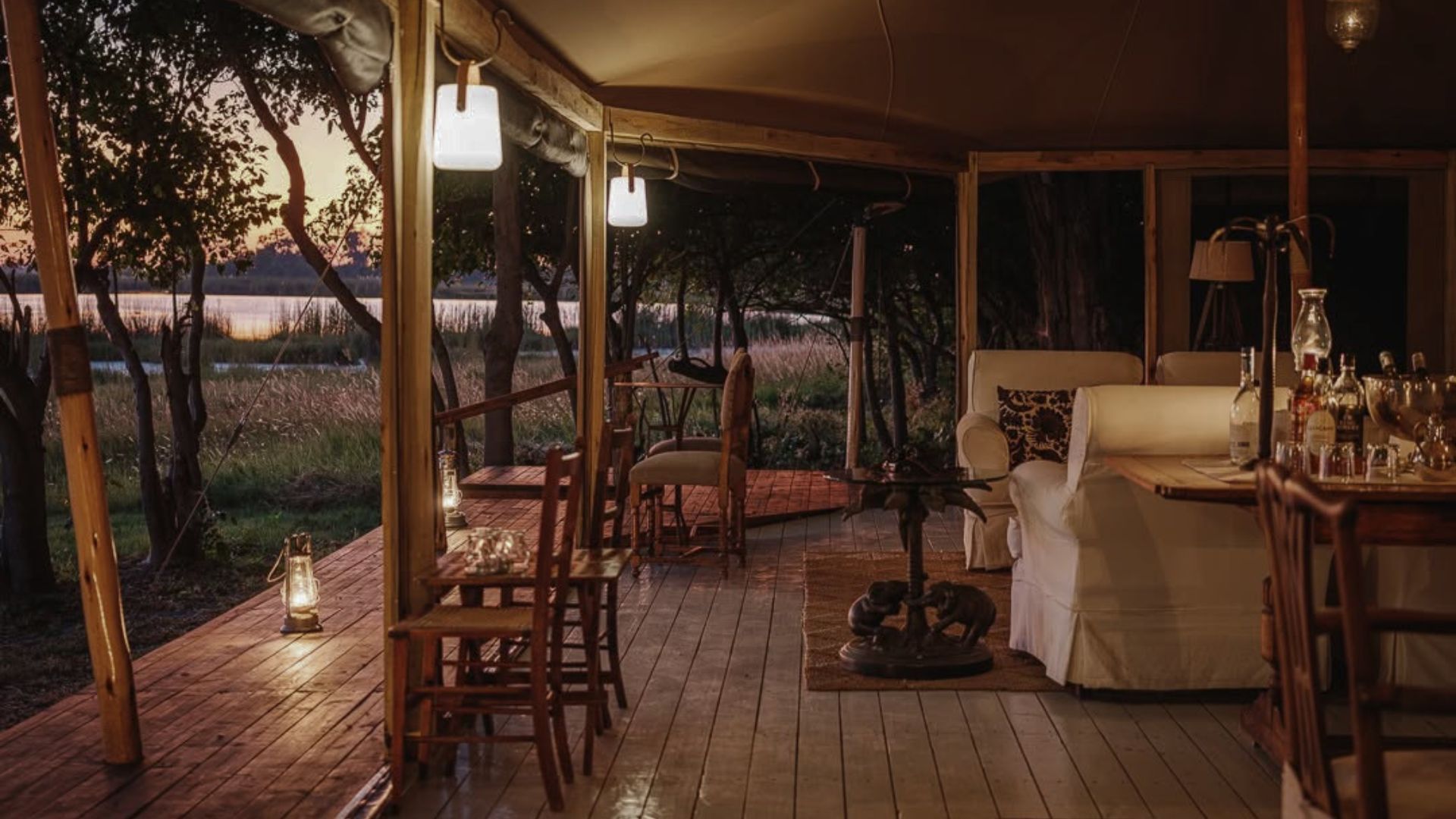
These are also the quietest months of the Botswana year, which means sightings feel wonderfully private, guides have all the time in the world for questions, and properties that are booked solid in the dry season suddenly have room to spare. Zoroga Expedition Camp, on the edge of the Ntwetwe Pan at Zoroga Village between Gweta and Nata, puts you right in the middle of all this, while Moela Safari Lodge on the Boteti and Chobe Bakwena Lodge on the Chobe River slot in beautifully for anyone keen to see more of the country in a single, unhurried journey.
April and May, the long walk home
As the rains ease and the pans start to dry, the zebra begin gathering on the edges of the Makgadikgadi like commuters on a station platform, before setting off on their slower, more meandering return journey north, a trek that can stretch beyond 800km back to the permanent water of the Chobe and the Okavango. The Boteti River corridor is one of the great thoroughfares for that movement, and Moela's perch on the high banks of the Boteti River Valley offers a grandstand view as the herds drift back towards the river in their stripy thousands.
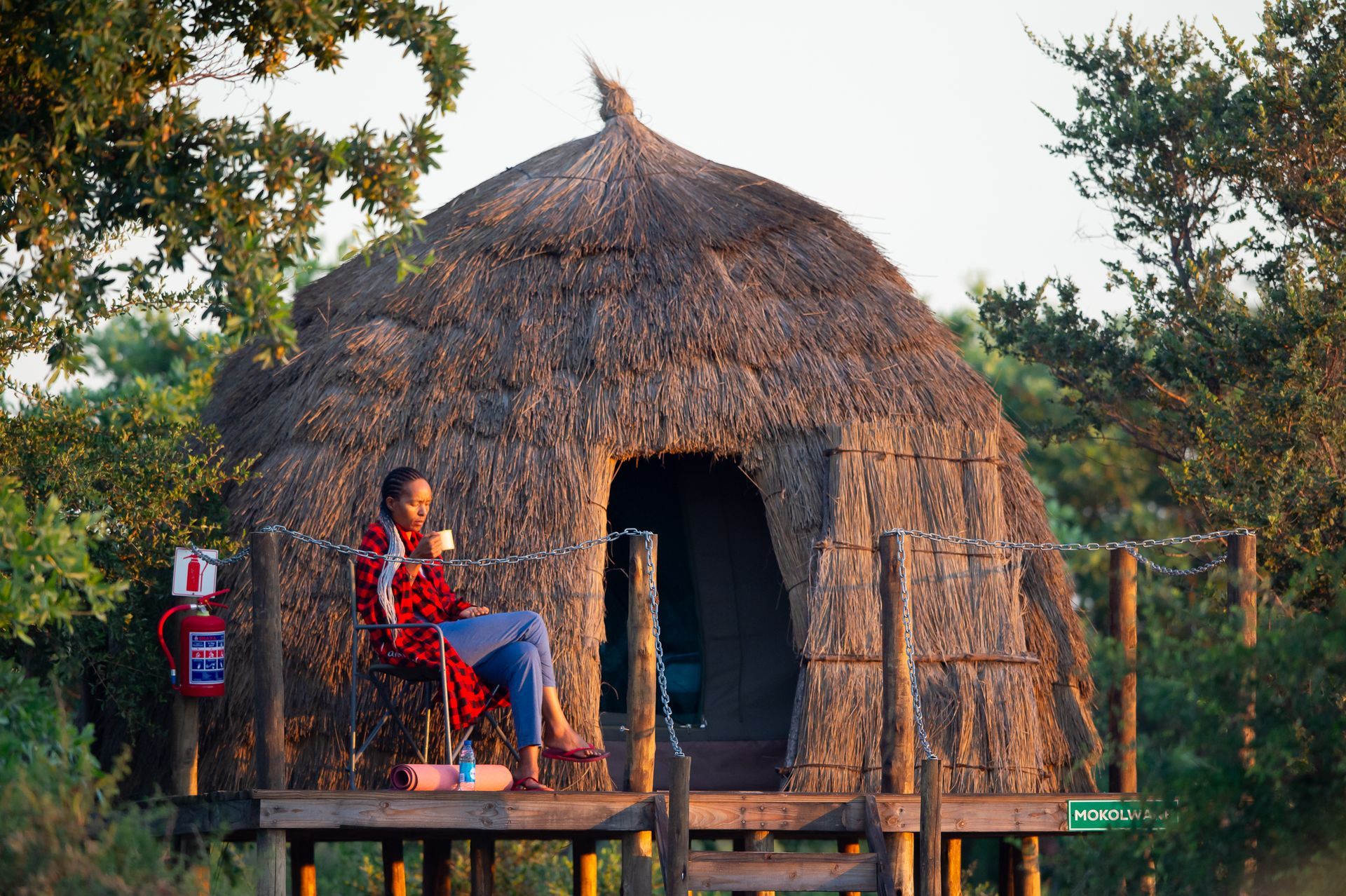
The shoulder months have a gentleness about them that seasoned Botswana travellers tend to keep to themselves. The bush is still lush and green, the heat softens into balmy days and cool, starlit nights, and the pans firm up nicely underfoot, which makes this a glorious time to unroll a bedroll on the Makgadikgadi and sleep beneath a sky so crowded with stars it looks overbooked.
It's also a lovely moment to finish a Chobe stay with a hop across to Victoria Falls, where the Zambezi typically thunders at full volume in the months after the summer rains and the spray rises high enough to give the whole town its own weather system.
June to August, water arrives in the desert
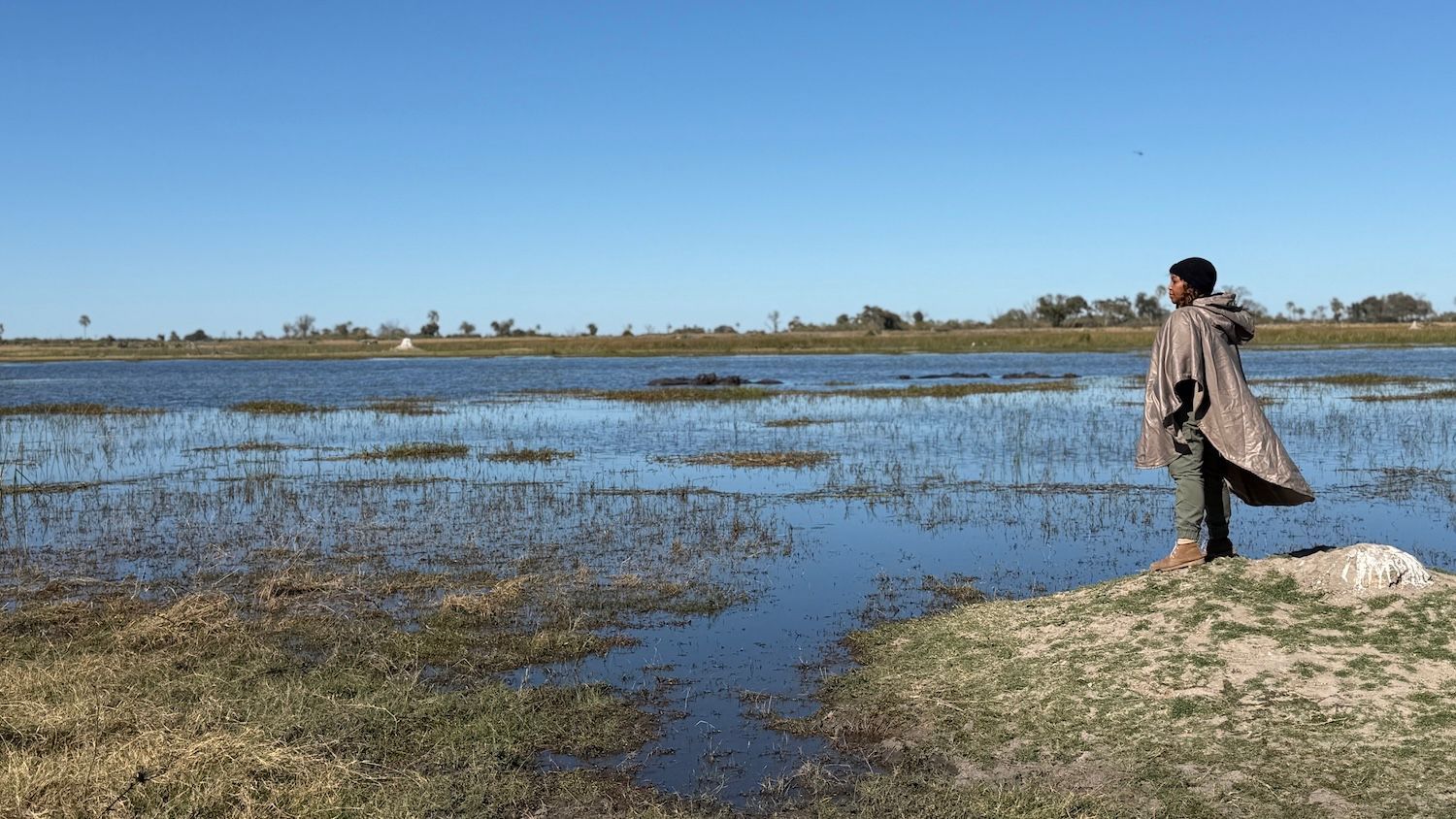
Winter brings one of nature's more delightful paradoxes, as the Okavango flood finally reaches the Delta just as the rest of Botswana is at its driest, spreading out from the north and filling the channels and floodplains with water that fell in Angola months earlier.
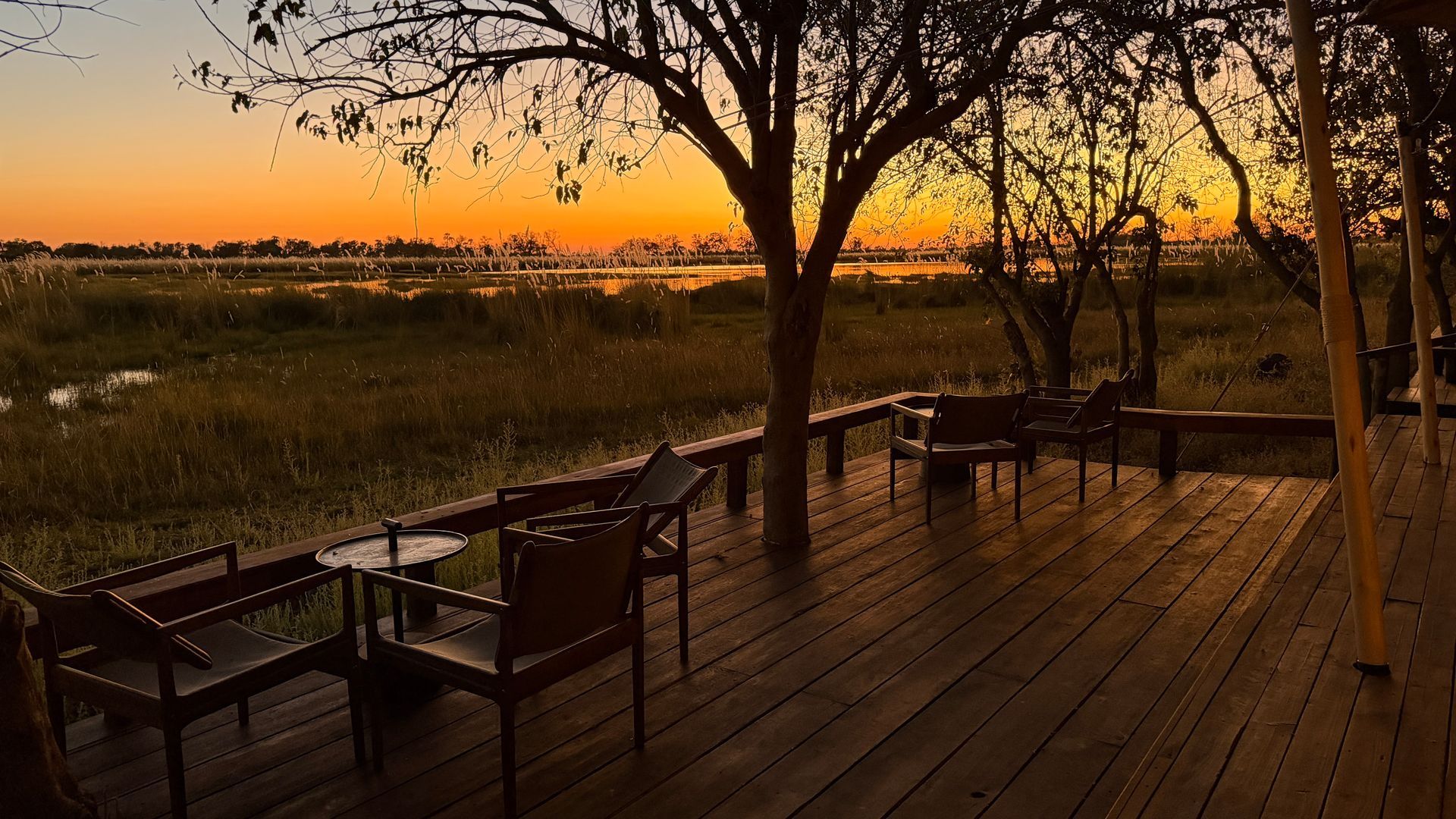
This is the classic safari season, the most sought-after stretch of the year, and Cha Cha Metsi's position on a permanent lagoon in the NG32 concession means mokoro excursions and wildlife viewing carry on serenely throughout. Game drives start in crisp mornings that call for a blanket and a flask of something hot, and end in golden late afternoons that make a very persuasive case for sundowners.
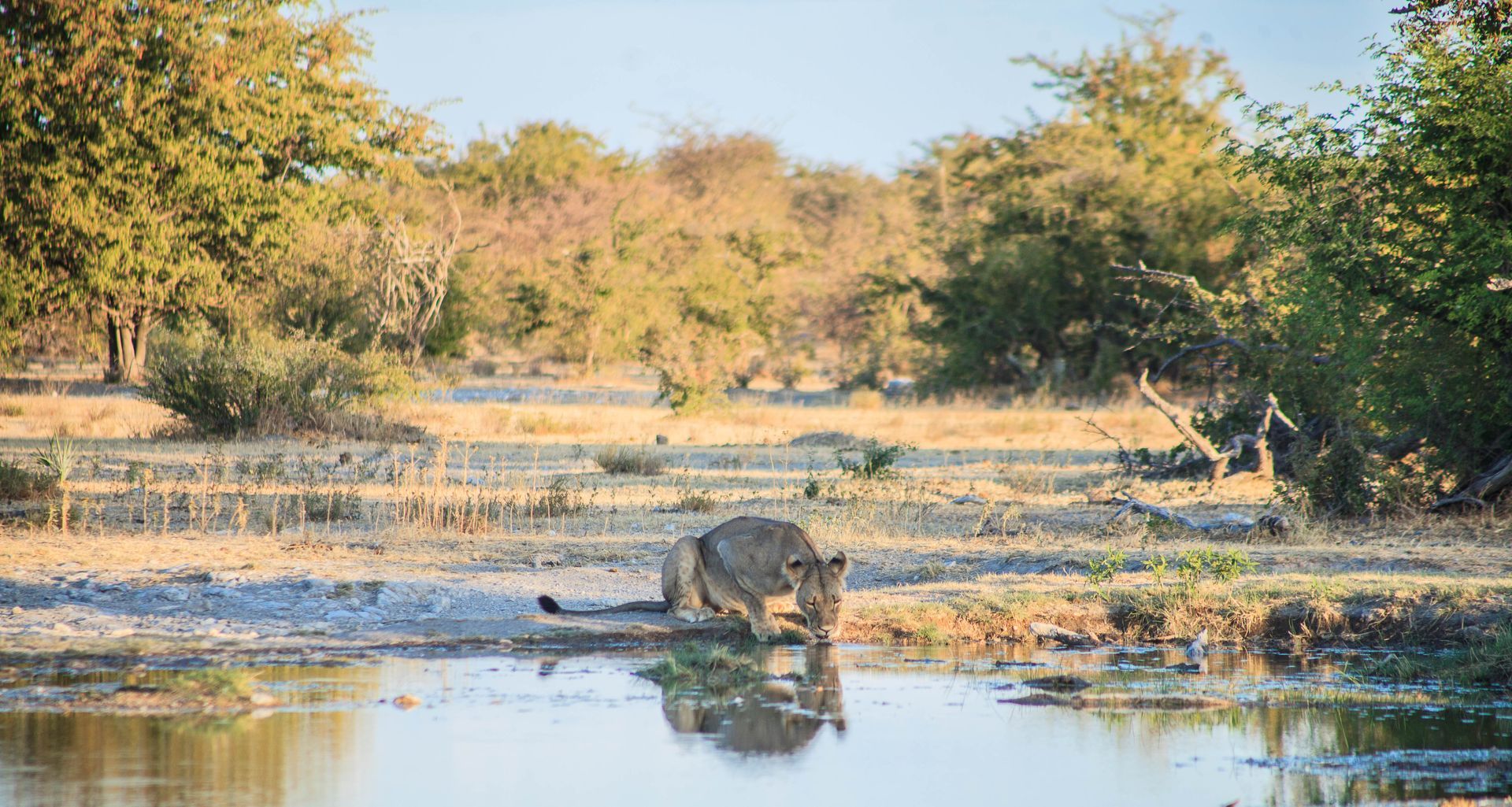
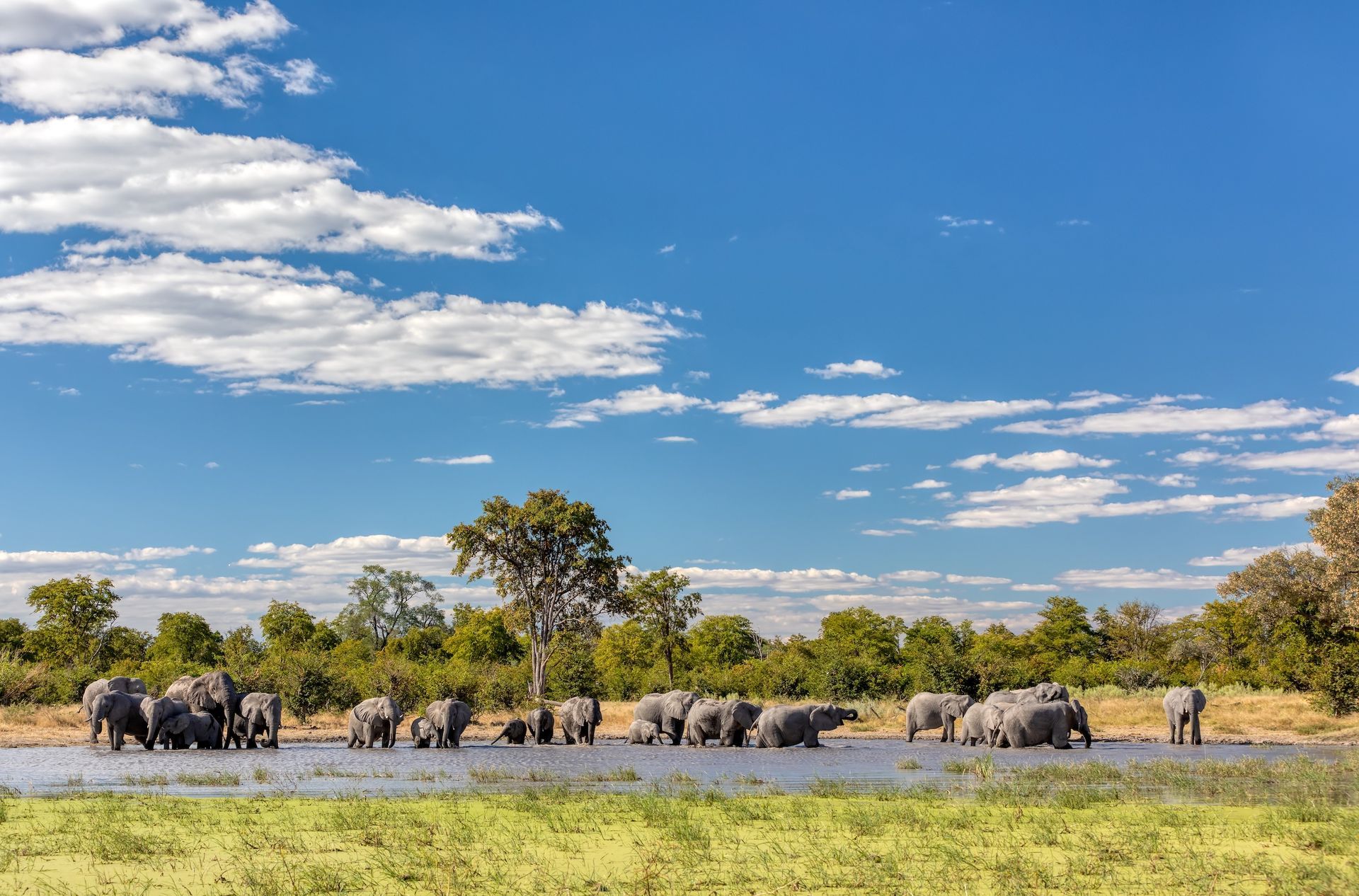
Permanent water comes gloriously into its own as the interior dries and wildlife of every description makes its way towards rivers like the Chobe and whatever pools are left in the Boteti, turning both into front-row destinations for anyone who loves watching the comings and goings at the water's edge.
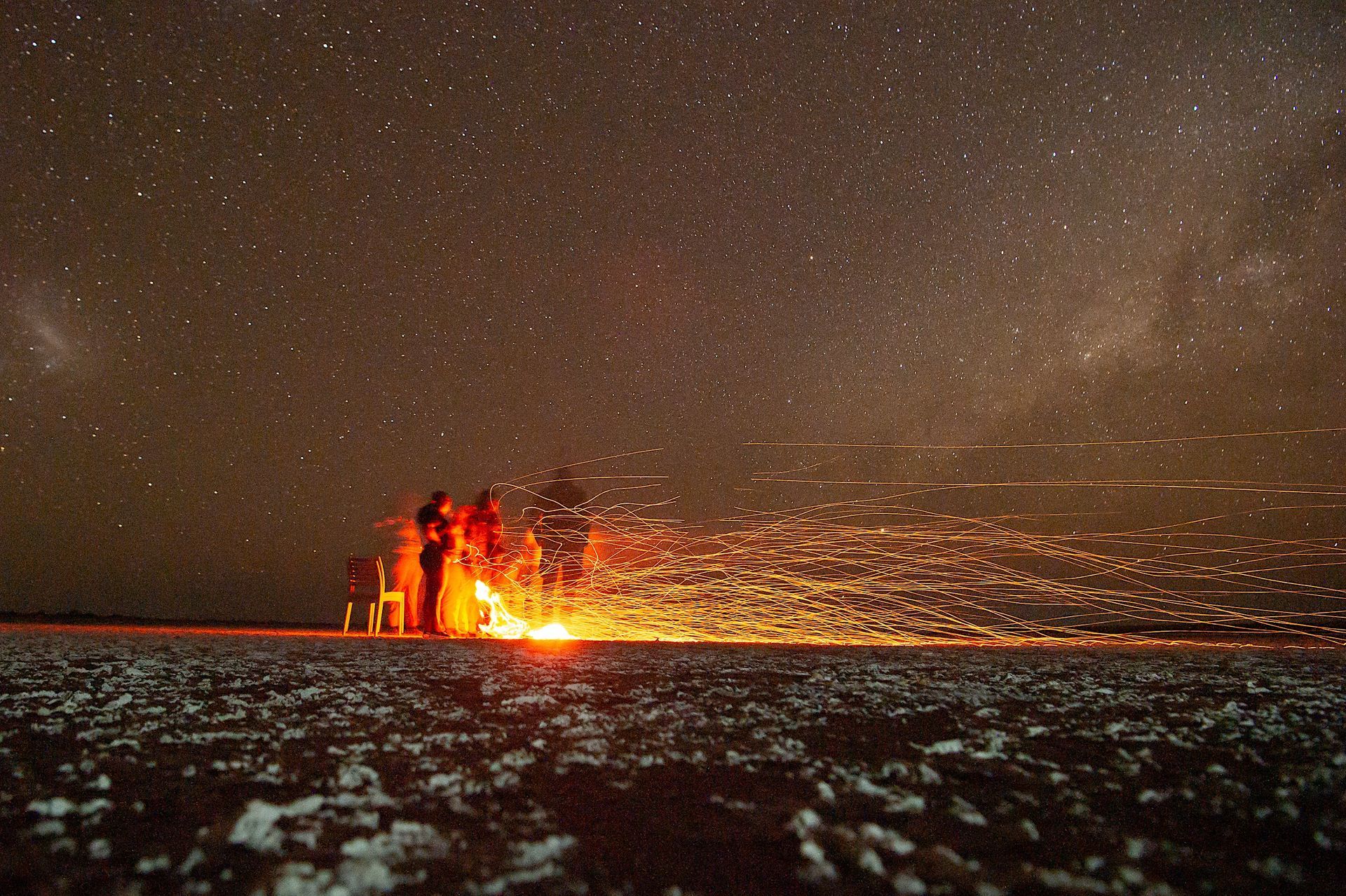
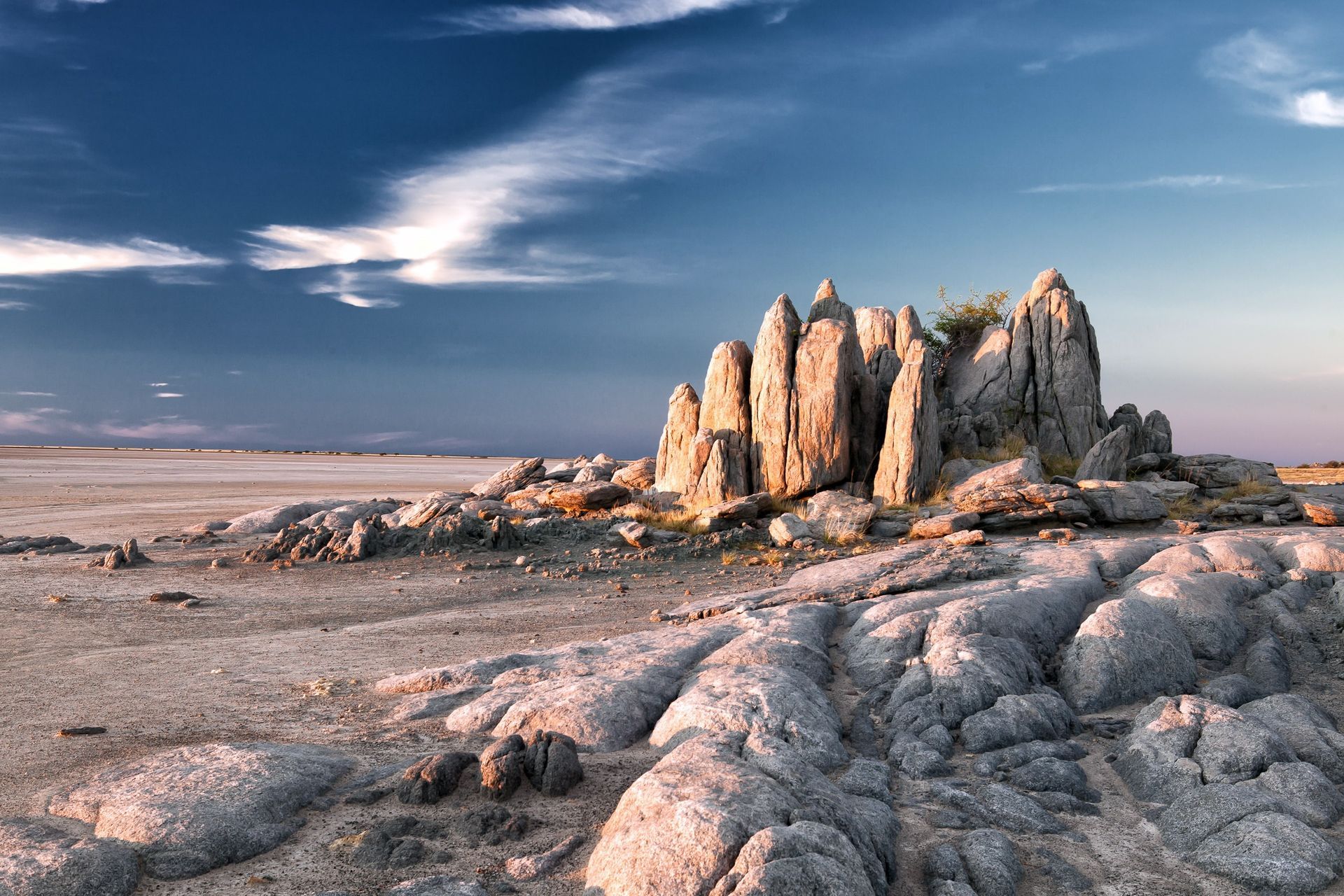
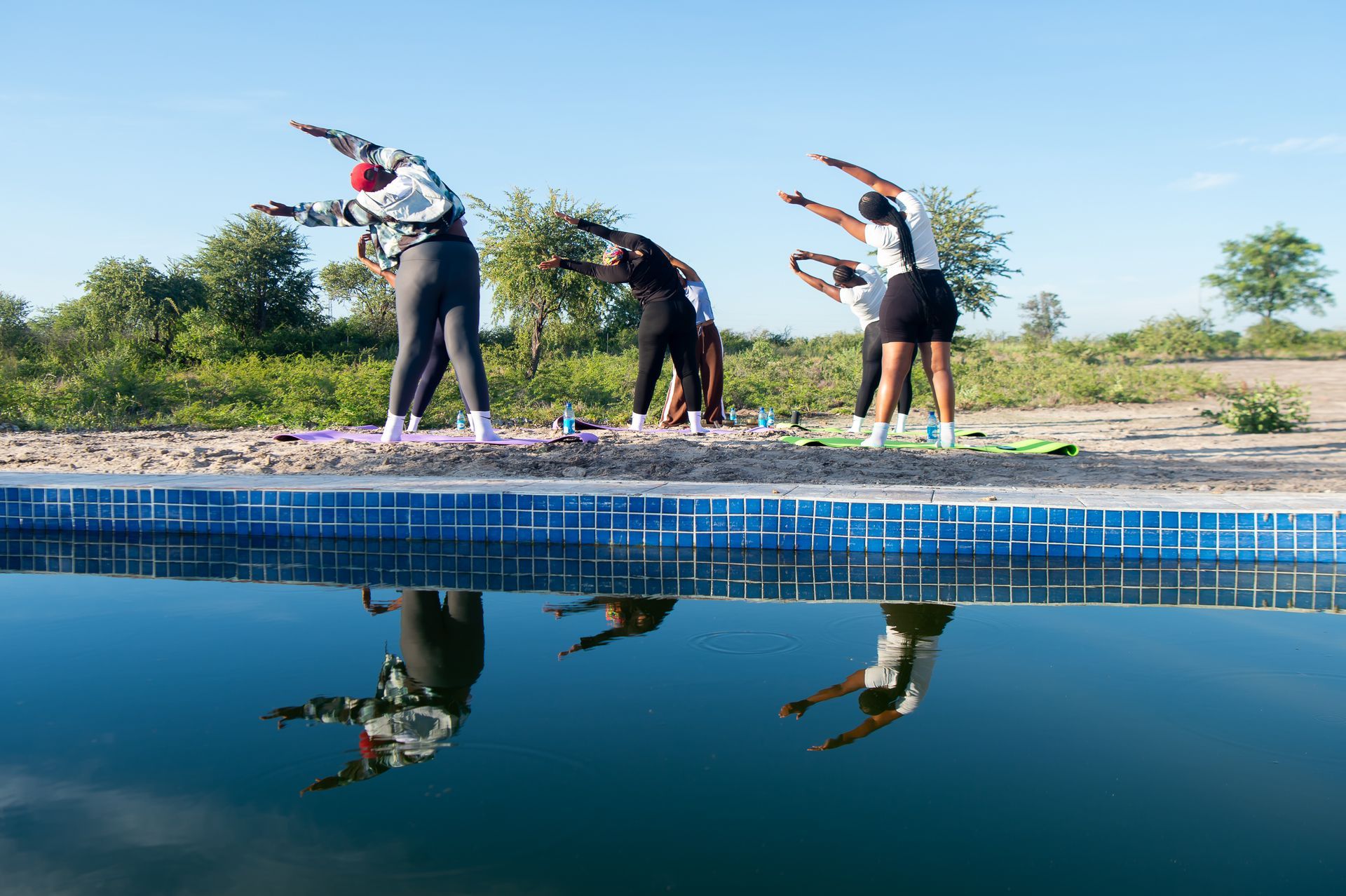
The Makgadikgadi serves up warm, bright days and seriously chilly nights, which makes the fire at Zoroga the most popular spot in camp after a day on the pans, and Ikhutse: The Great Pause, our women-only retreat, heads to Lekhubu Island from 16 to 20 July for a four-night edition among the ancient baobabs.
September and October, the great gathering
By September the dry season is at full throttle and Botswana's permanent rivers become the busiest social hubs, with wildlife arriving from all directions to drink, wallow, bicker and generally make a spectacle in remarkable numbers. A boat safari from Chobe Bakwena Lodge puts you right at water level for the late-afternoon rush hour on the Chobe River, while any remaining pools on the Boteti become the only water across a vast swathe of country, drawing a steady procession of visitors that keeps the deck chairs at Moela fully occupied from breakfast to dinner.
October cranks the thermostat up another notch, and with it come immense, dramatic skies as the first clouds gather, evenings so warm that dinner under the stars becomes the only sensible option and an electric sense of anticipation as the whole country waits for the rains.
The Ntwetwe Sleep-Out Edition of Ikhutse runs from 7 to 10 October 2027, including a night sleeping out on the pan itself, and the clear, dark skies make this a wonderful time for Nxai Explore's astrophotography and Makgadikgadi heritage routes.
November and December, the year comes full circle
The first summer rains usually arrive in November, and the whole cycle starts over again with impressive punctuality, as the zebra pack up and leave the northern wetlands for the long walk south towards the Makgadikgadi grasslands, the migrant birds return to reclaim their favourite haunts and the bush swaps its dusty ochre for the first fresh flush of green almost overnight. Watching the land wake up after months of dry is one of Botswana's great quiet thrills, and it rewards anyone who enjoys seeing a landscape change before their very eyes.
December rounds off the year with long, warm days, plenty of breathing space and a very tempting alternative to spending the festive season wrestling with tinsel and trolleys. Zoroga, Moela, Cha Cha Metsi and Chobe Bakwena all deliver beautifully at this time of year, and for those who love planning their own adventures, Nxai Explore's 13 downloadable itineraries cover everything from the Makgadikgadi heritage trail to astrophotography and birding routes, each one backed by the local knowledge and support of the Nxai Travel team.