

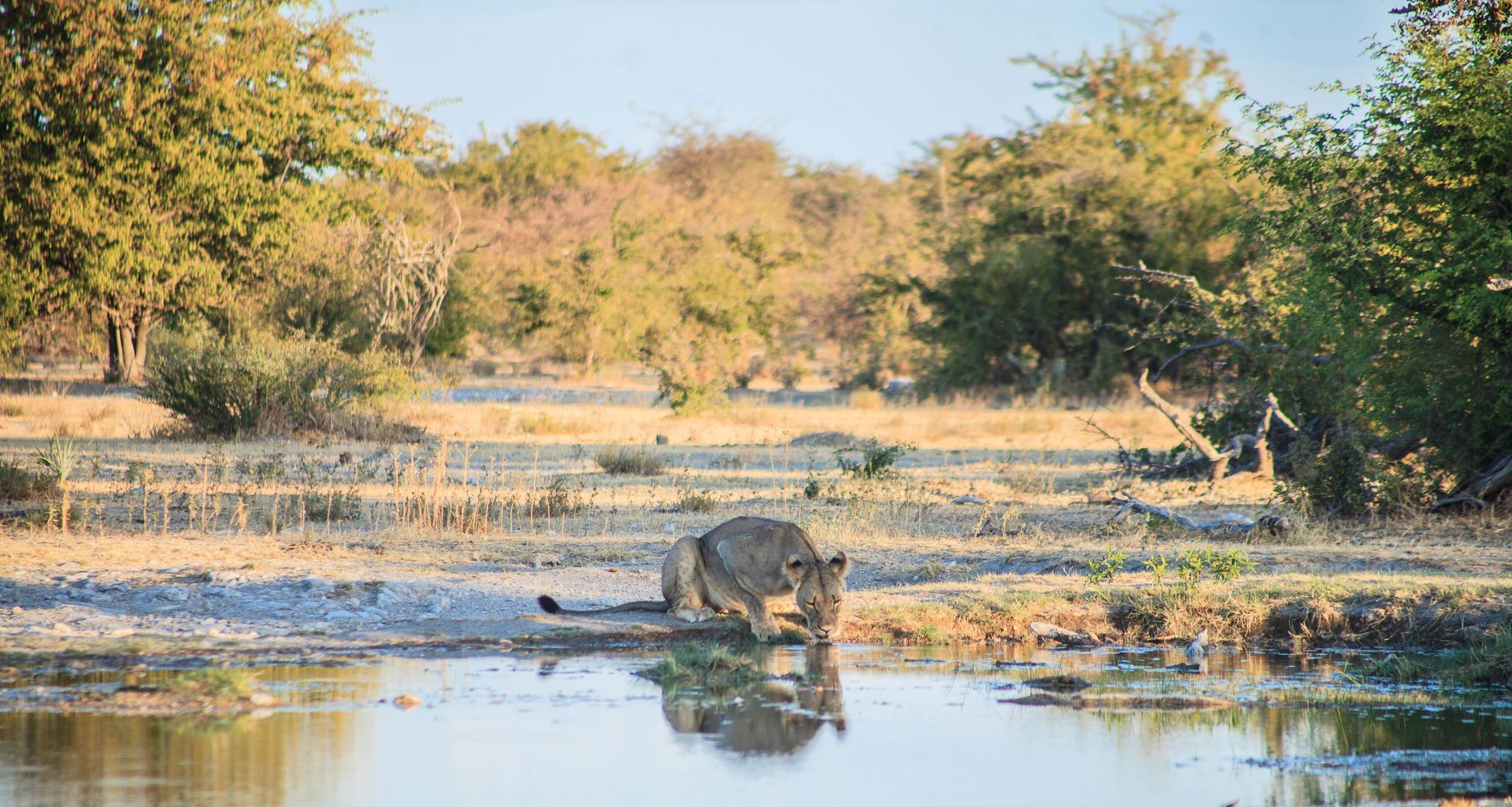
There is a version of Botswana that most travellers never find, not because it's inaccessible, or because the roads are too rough or the distances too great, but simply because the standard safari circuit doesn't go there.
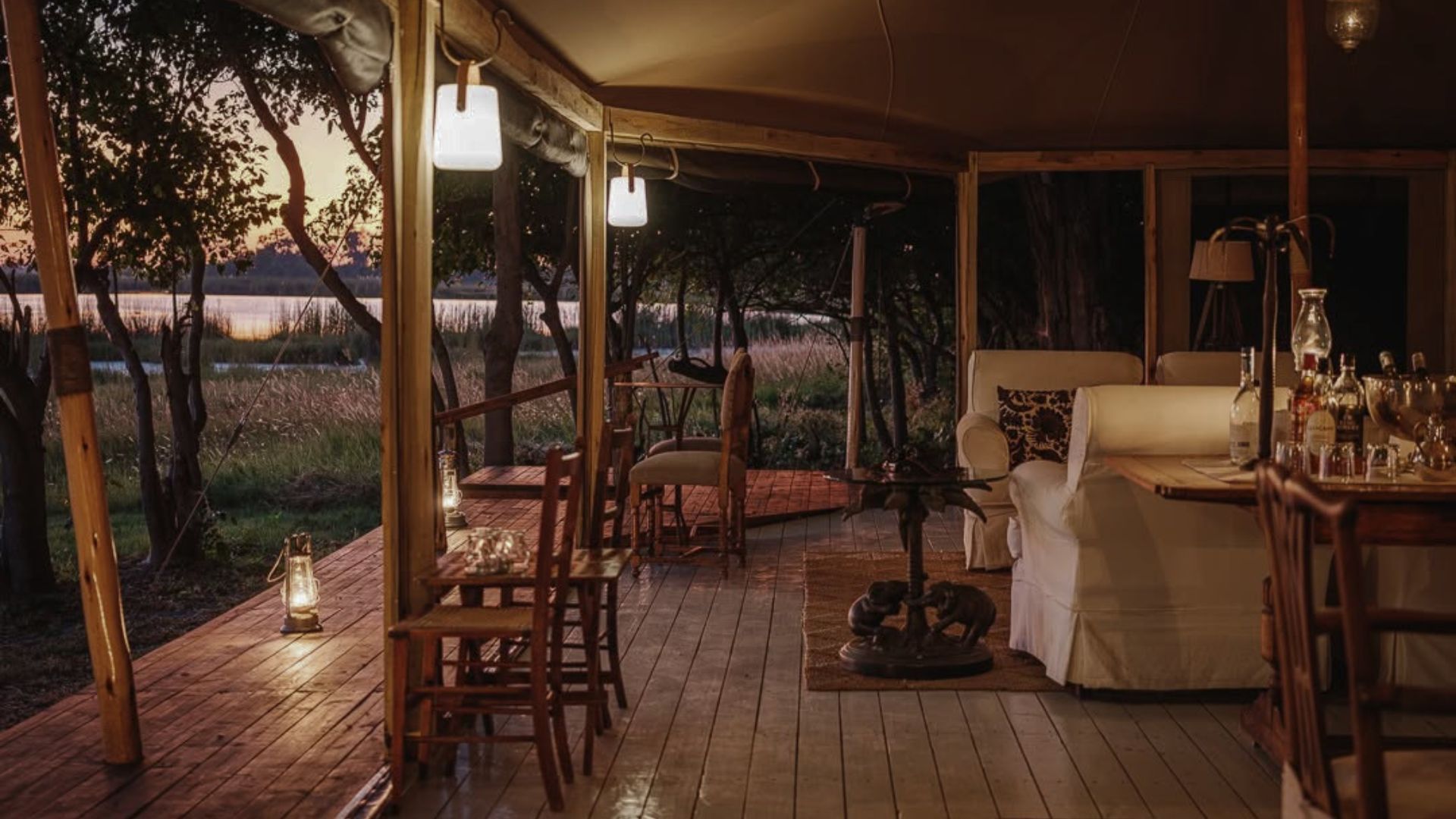
When we first envisaged Nxai Stay we had a vision of creating a different way to experience Botswana, one deeply rooted in a sense of people and place, a journey to the country's heart and soul... A safari in the true sense of the word!
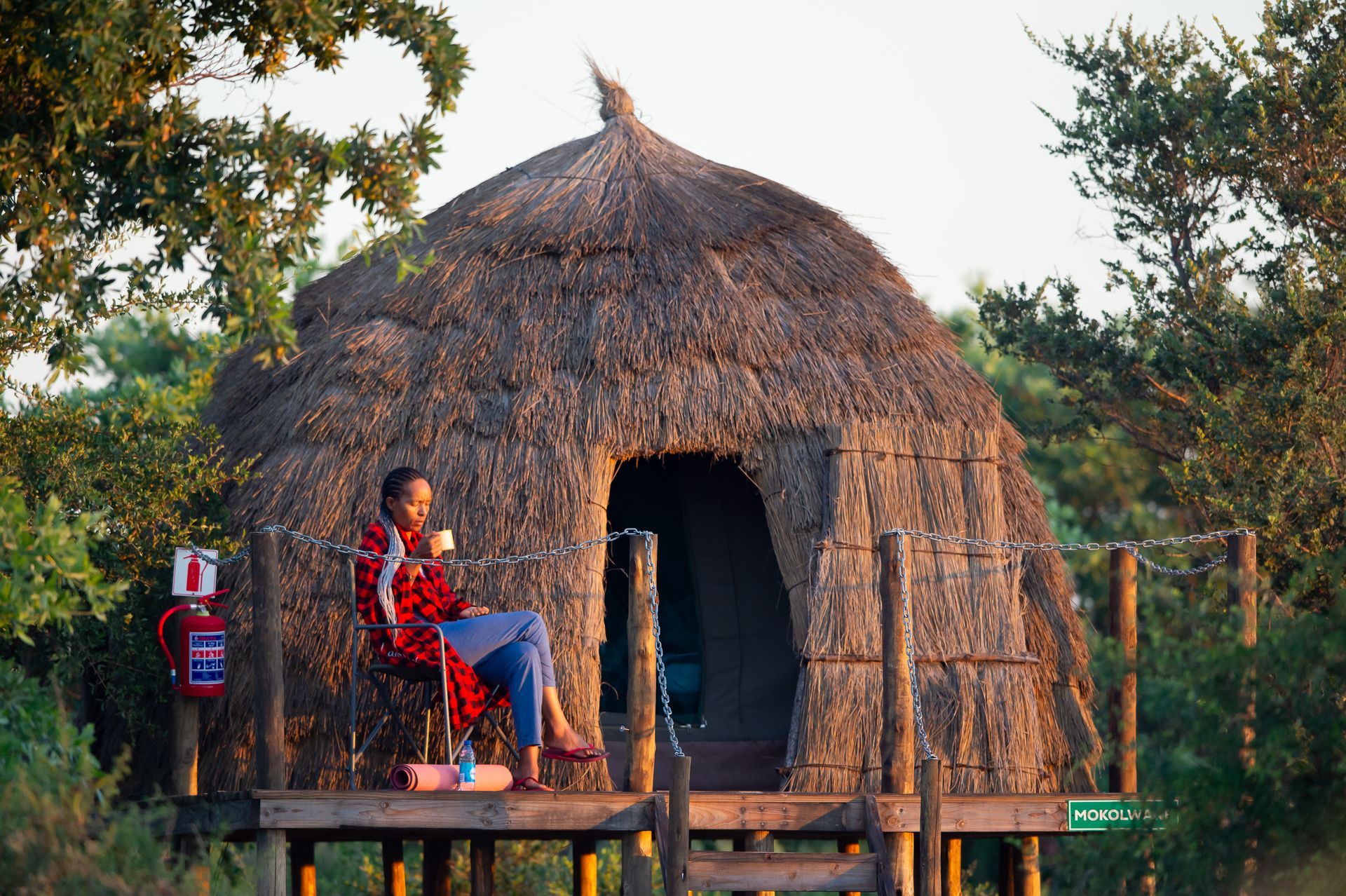
There is a particular kind of traveller who looks at a map of Botswana and is drawn not to the obvious places but to the spaces in between, the vast, pale expanse that sits quietly between Nata and Gweta and seems, at first glance, to offer very little. That traveller understands something important.
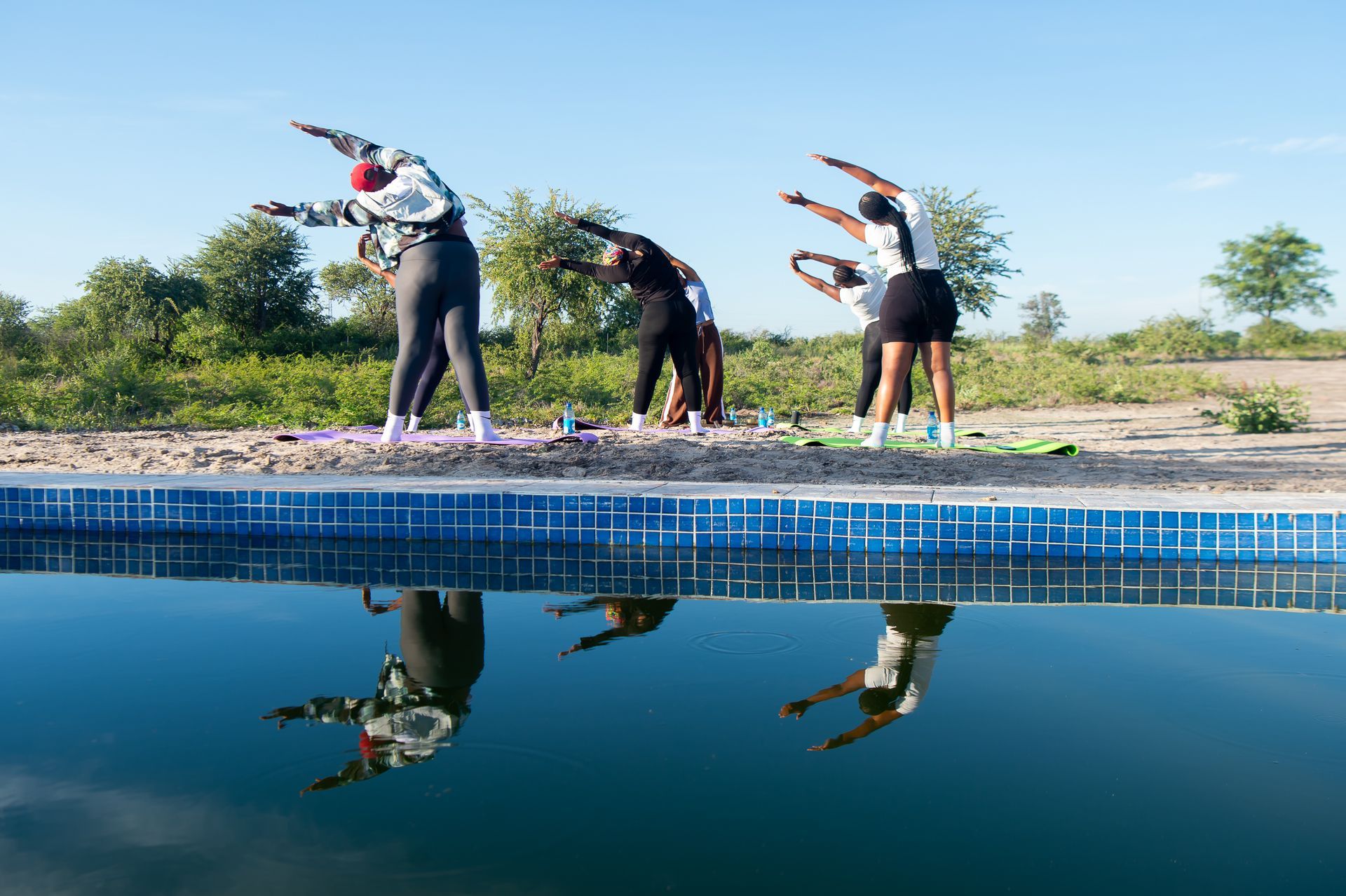
There is a particular kind of tired that a conventional wellness retreat cannot fix. The kind that comes from too many screens, too many decisions and a world that has forgotten how to be quiet. For that kind of tired, you need something more radical than a weekend of yoga and green juice.
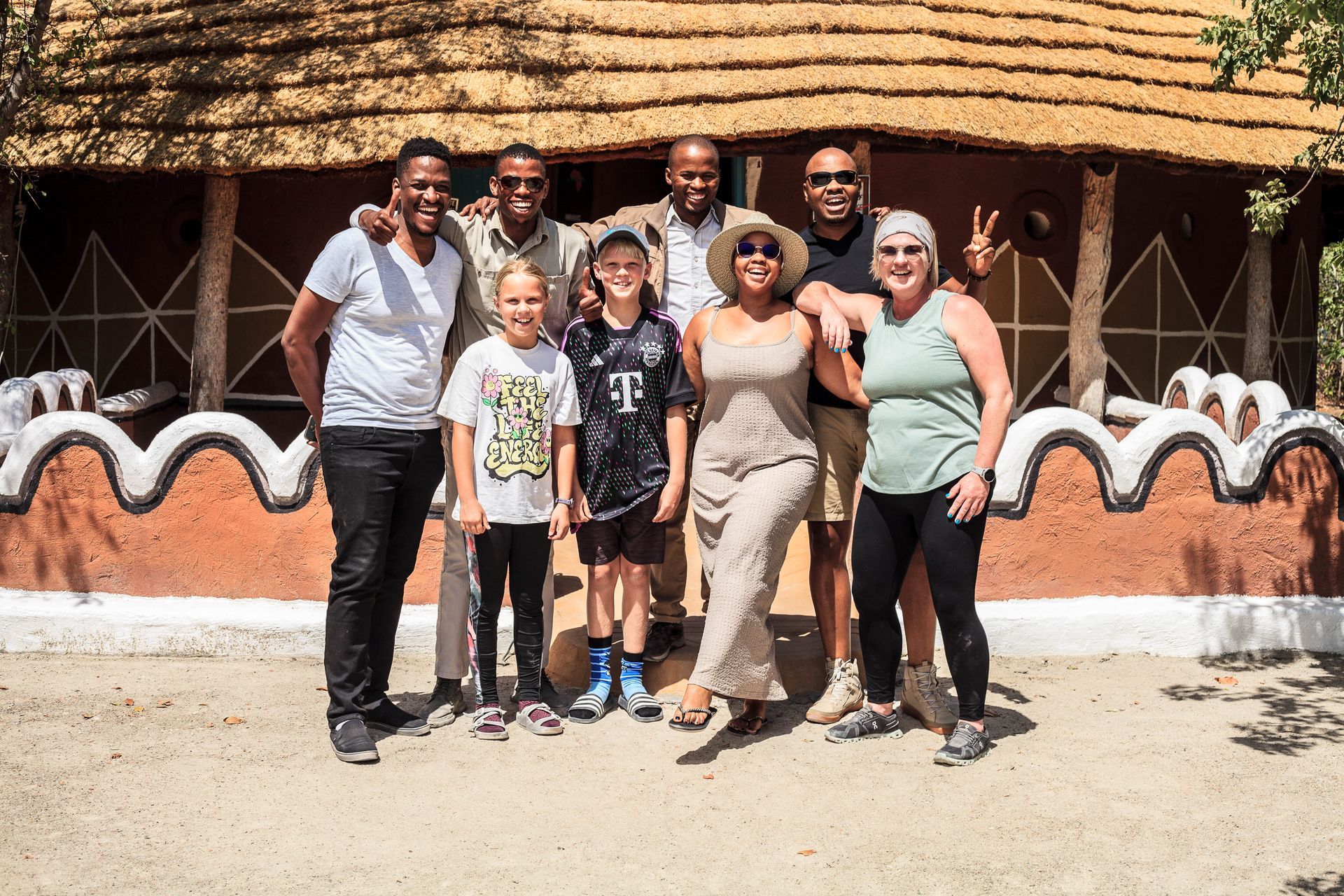
There are tour operators who know Botswana, and then there are people who are from it, shaped by it and quietly devoted to sharing it in a way that feels nothing like a transaction.
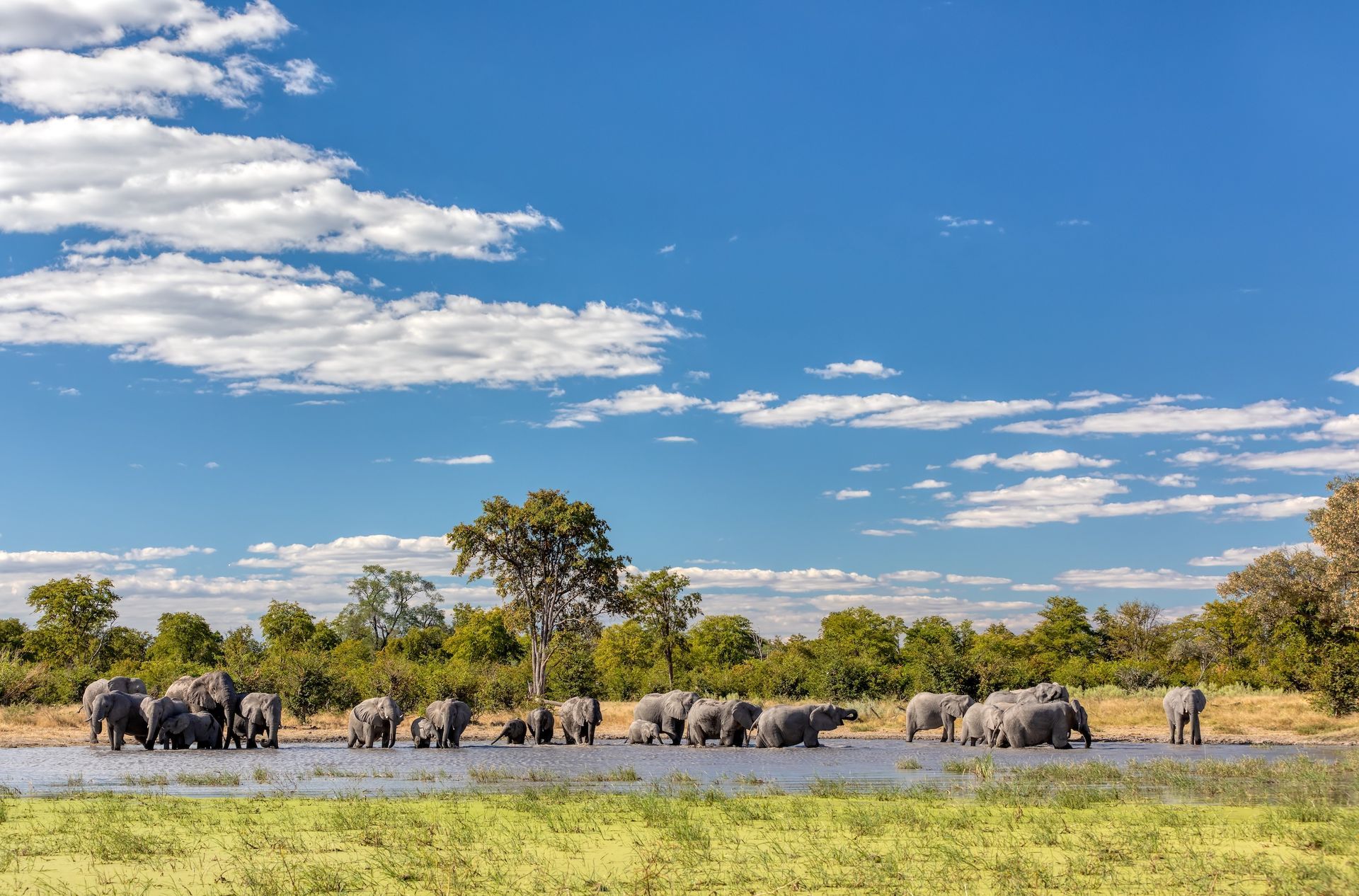
There are places in Africa that quietly redefine what you thought a safari could be. The Moremi Game Reserve and its neighbour, the Khwai Community Concession, are two of them. Sitting along the eastern edge of the Okavango Delta, this stretch of wilderness is where water and woodland collide.
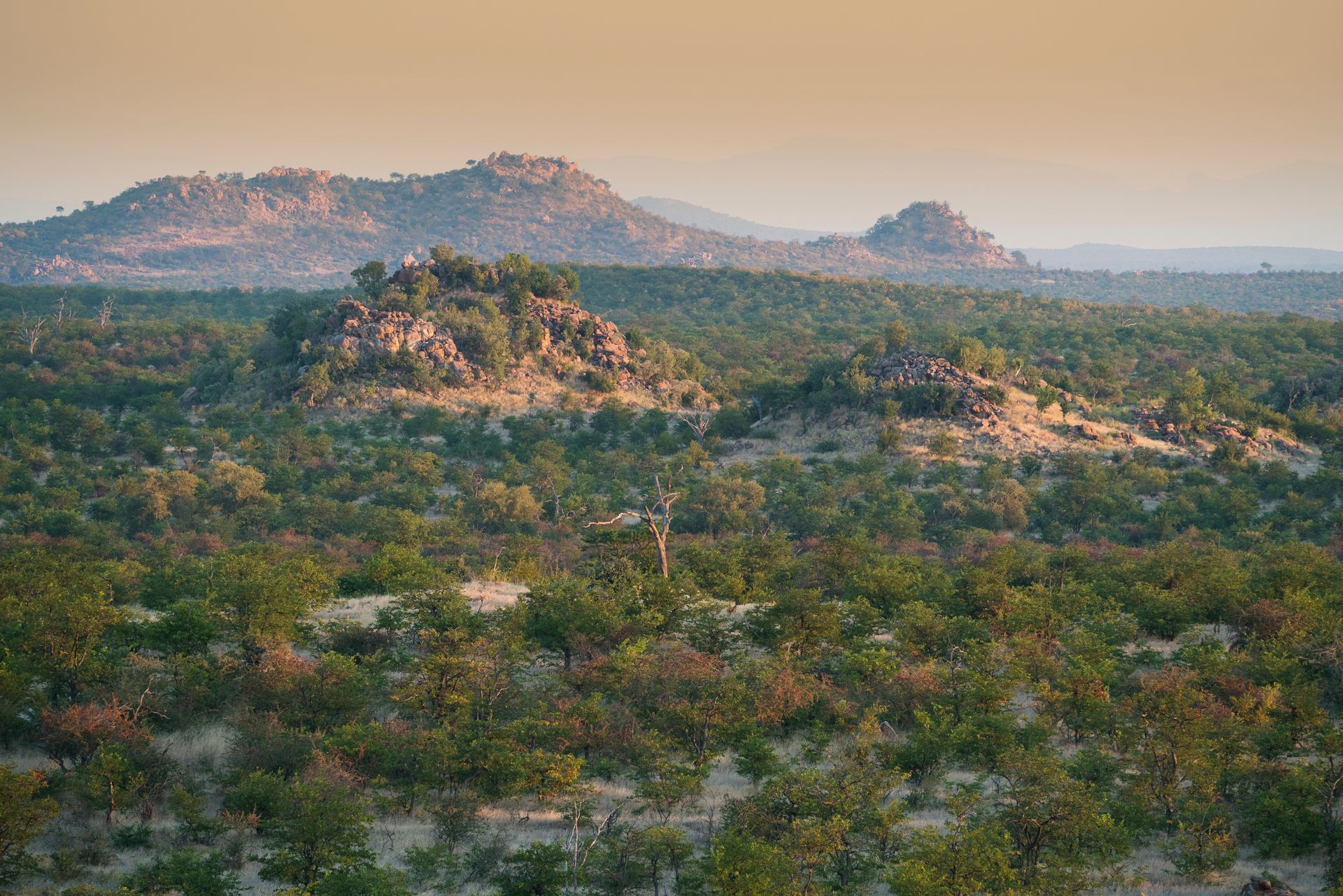
The Tuli Block sits quietly in Botswana’s eastern corner, bordered by South Africa and Zimbabwe, yet its sense of presence is anything but subtle. This is a landscape that feels grounded and deeply storied, shaped by rock, rivers, and the passage of both wildlife and people over thousands of years.
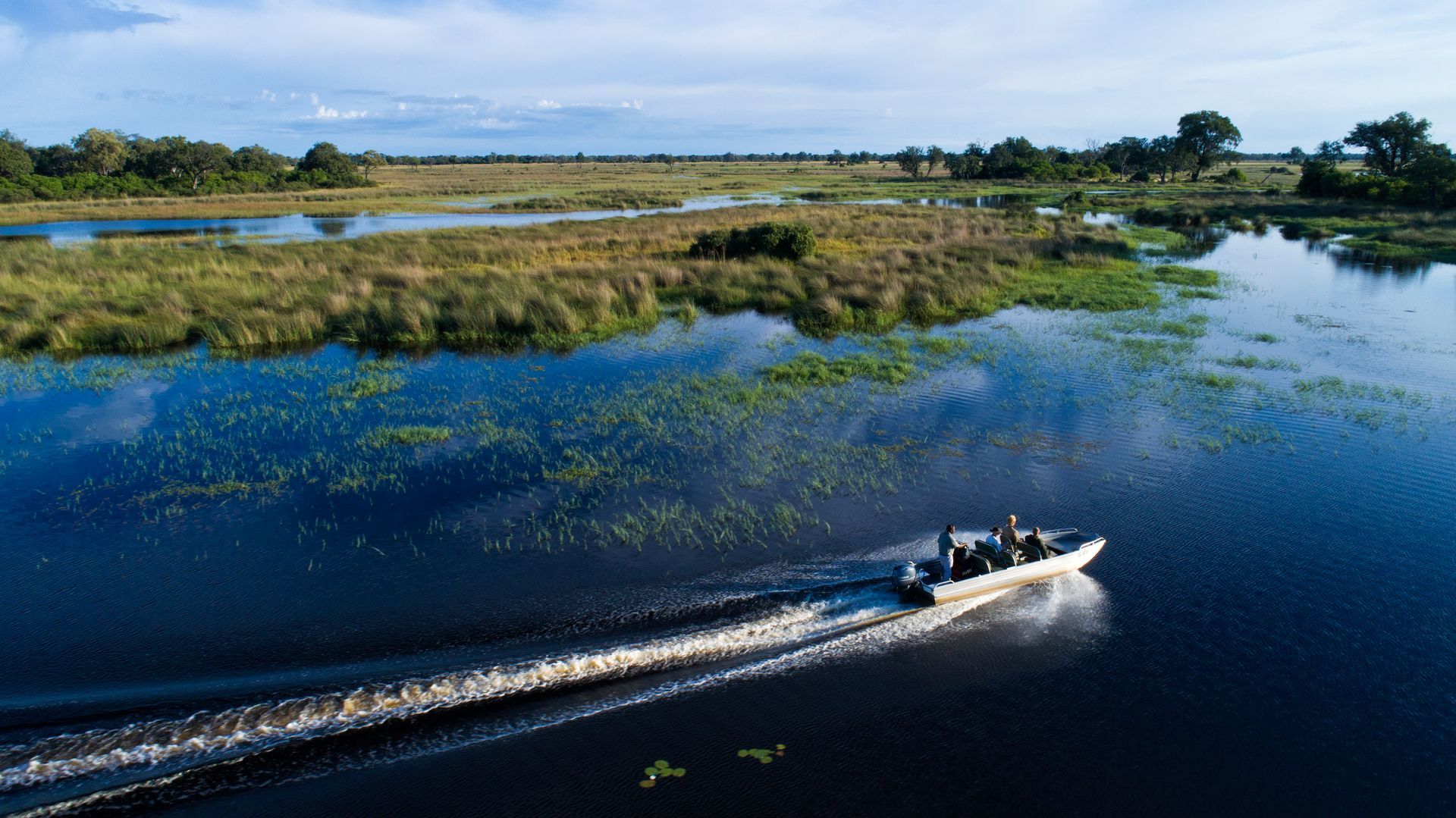
The Okavango Delta is unlike any other wilderness in Africa. A vast tangle of reed-lined waterways, wooded islands and shimmering channels stretches as far as the eye can see, alive with life and movement.
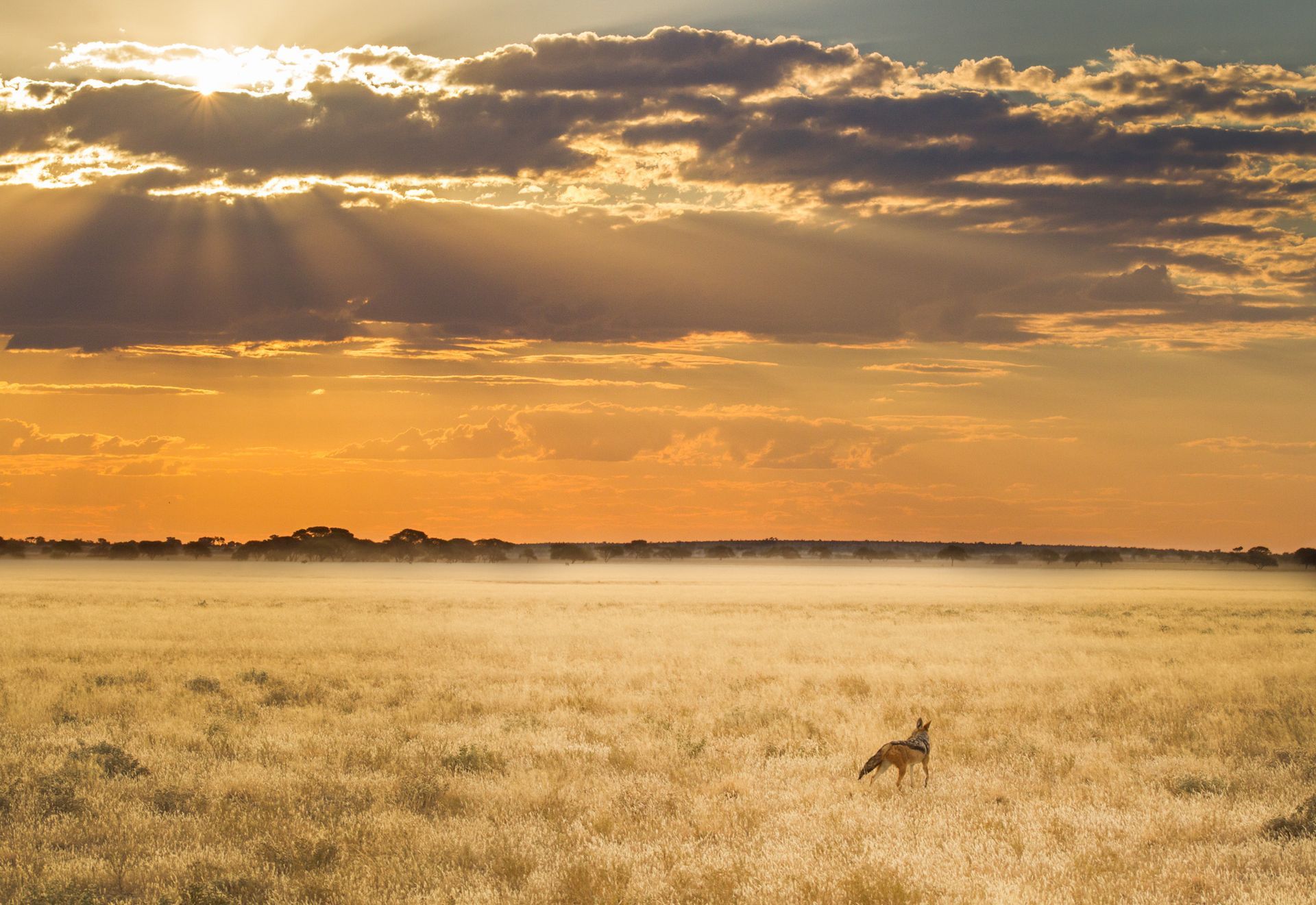
Vast, silent and hauntingly beautiful, the Central Kalahari Game Reserve lies at the heart of Botswana’s wild soul. It’s a land of endless horizons and shifting light, where silence has texture and time slows to the rhythm of nature itself.
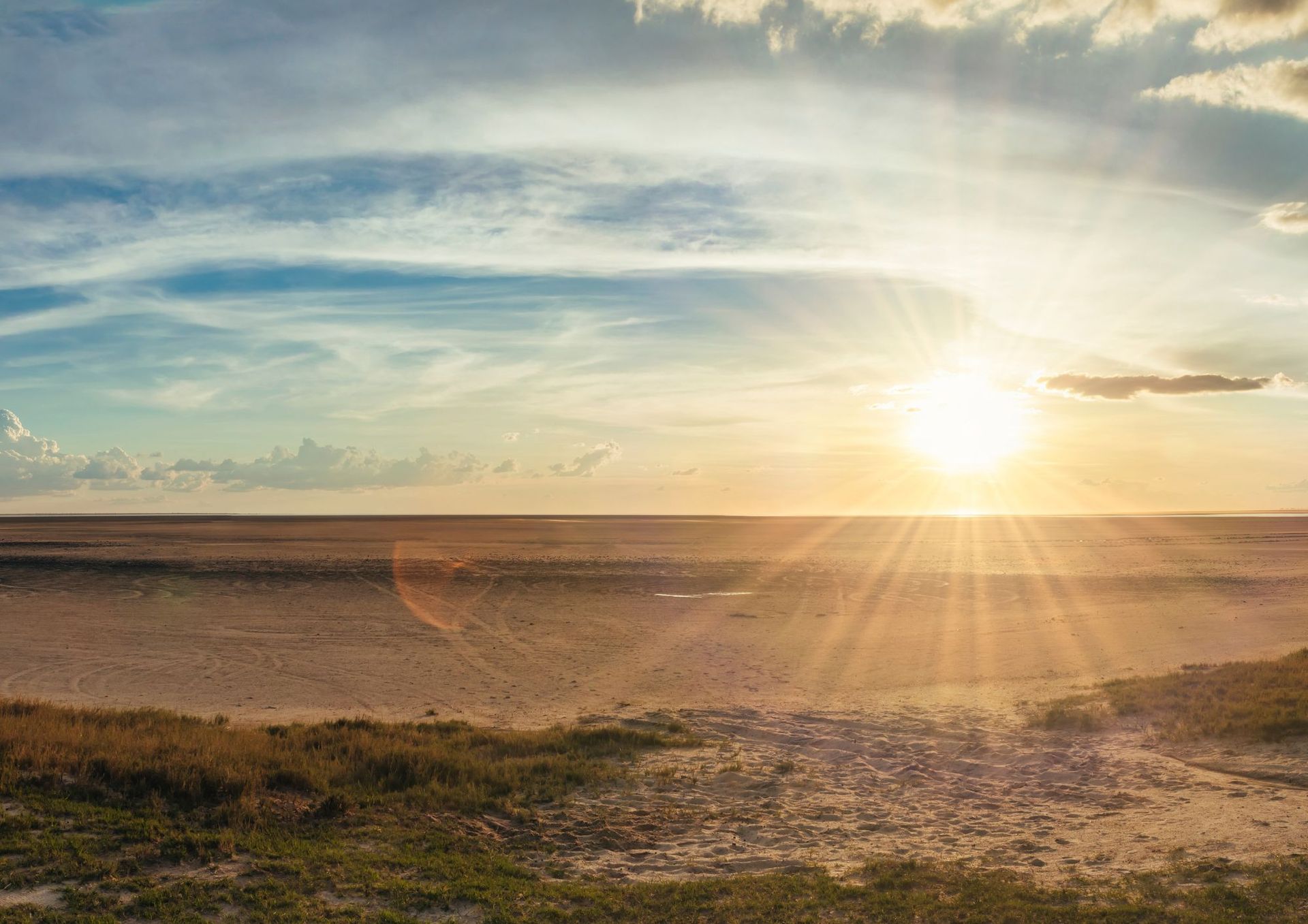
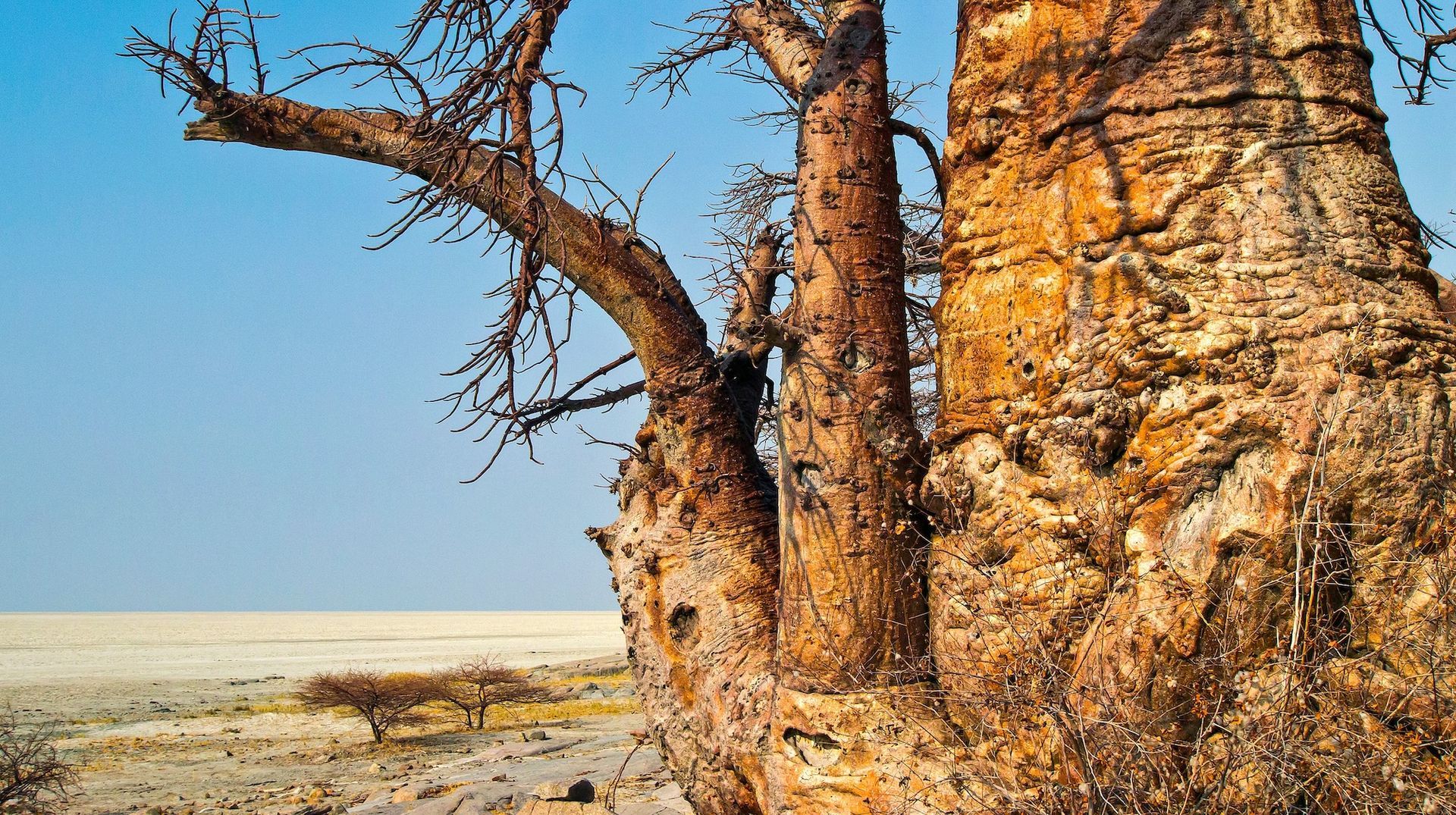
If Botswana had a place that felt like another planet entirely, it would be the Makgadikgadi. Imagine standing in the middle of an ancient lake so vast that the horizon melts into the sky, with nothing but the whisper of wind and the crunch of salt beneath your boots.