The Moremi carries a distinction that few protected areas in Africa can claim. It was the first game reserve on the continent to be established by an indigenous community, created in the 1960s at the urging of the BaTawana people, who recognised that the Okavango's extraordinary wildlife needed formal protection. The reserve was named in honour of Chief Moremi III, a leader whose family's legacy lives on in every lion pride that roams the floodplains today.
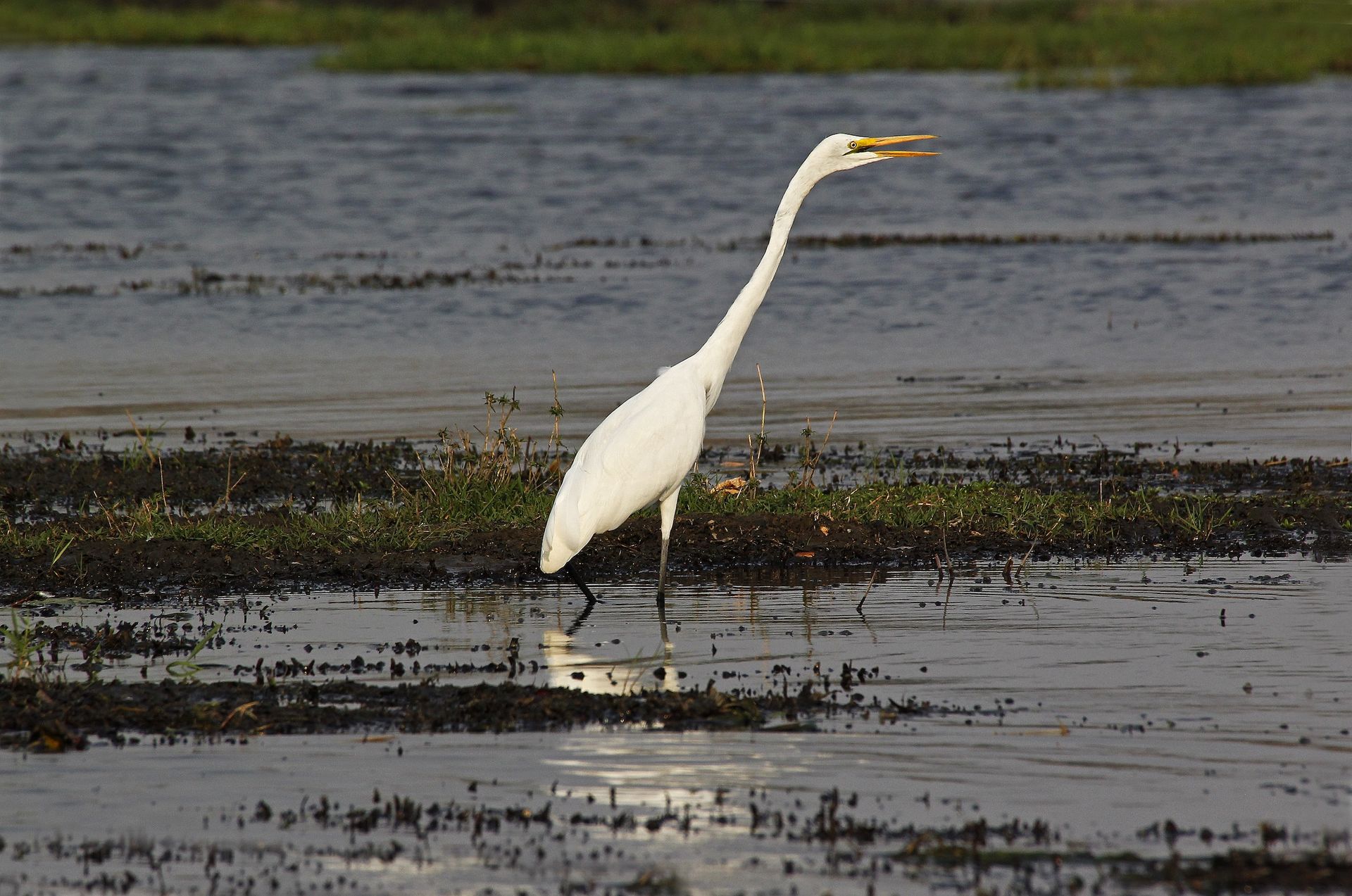
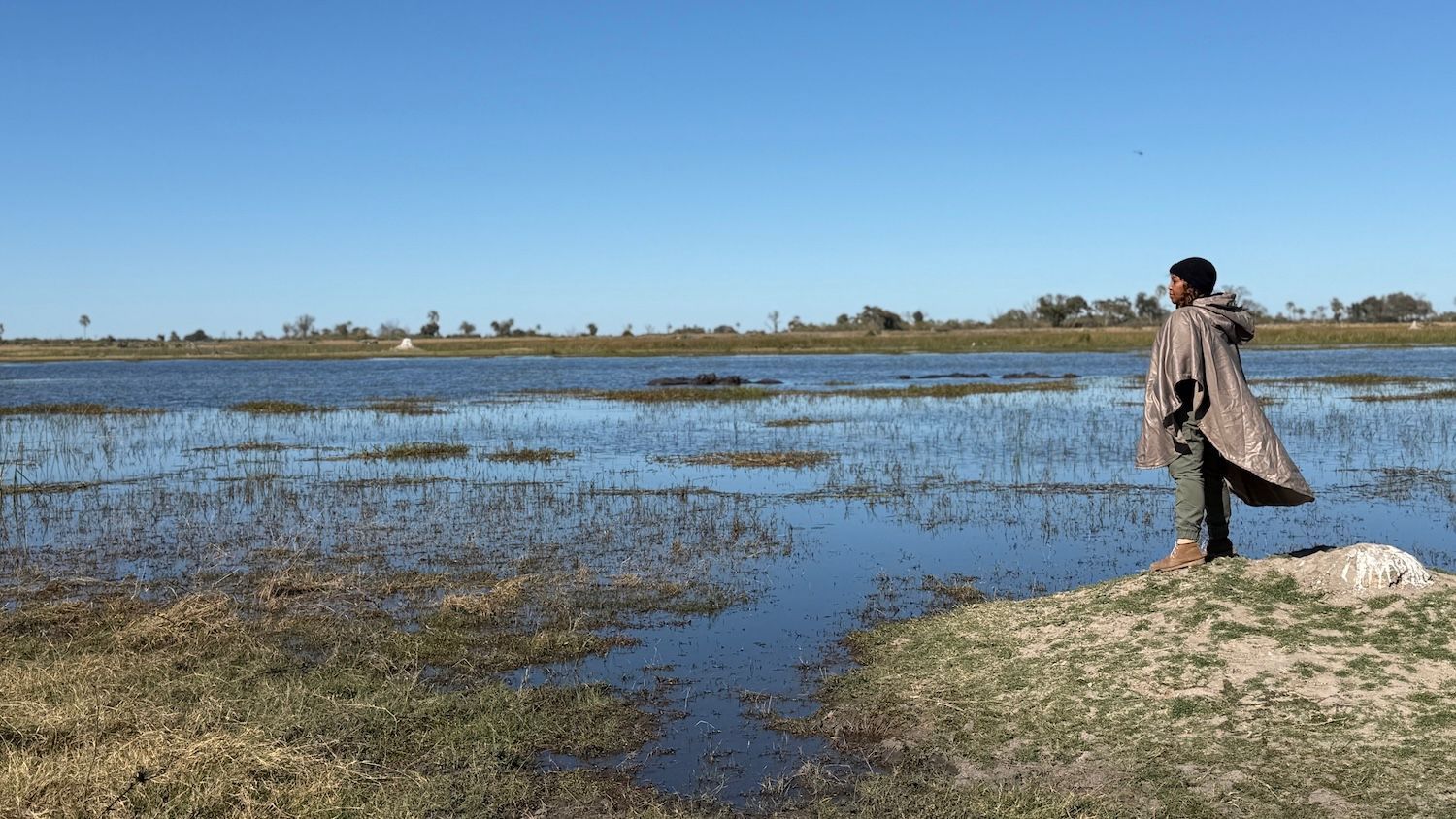
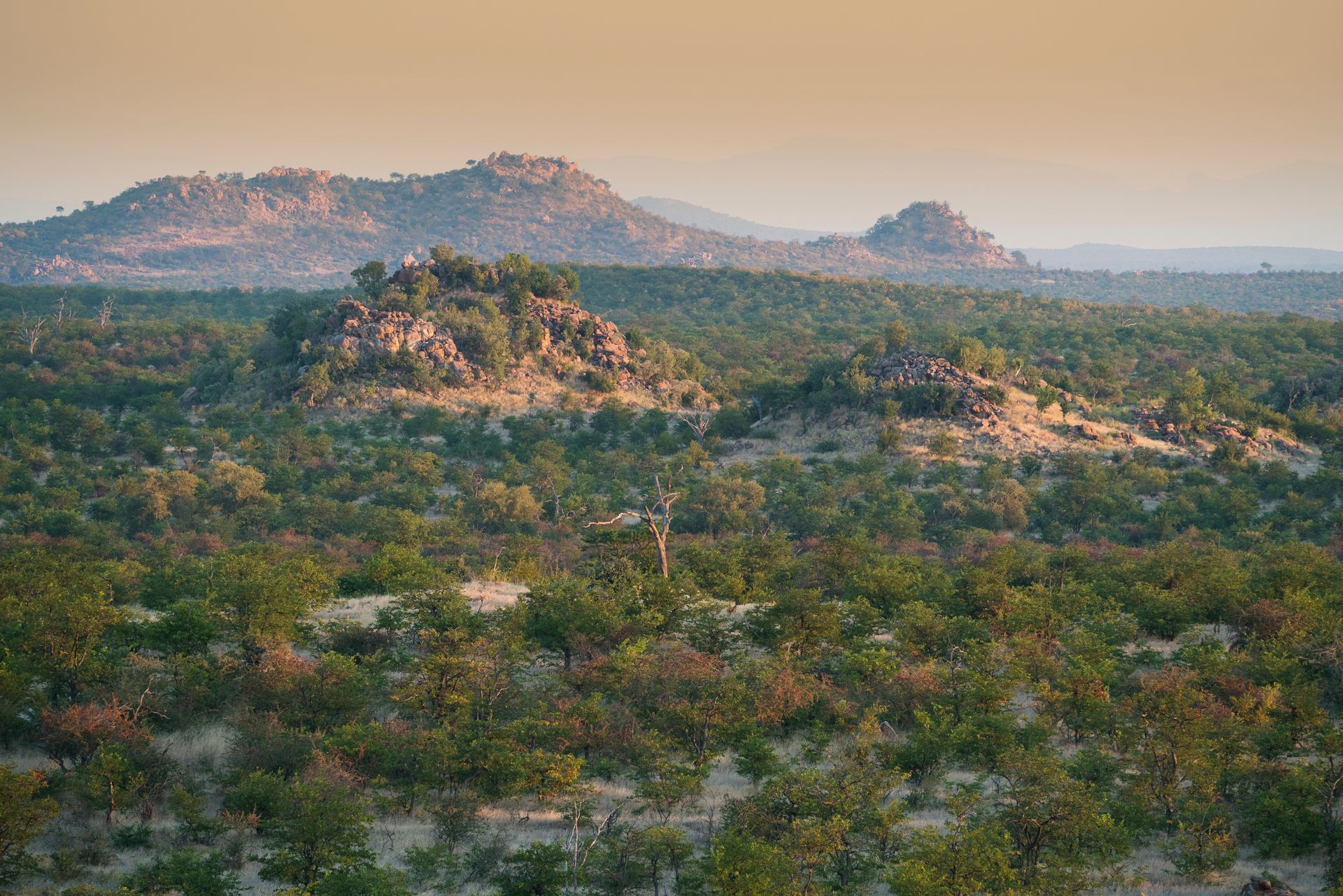
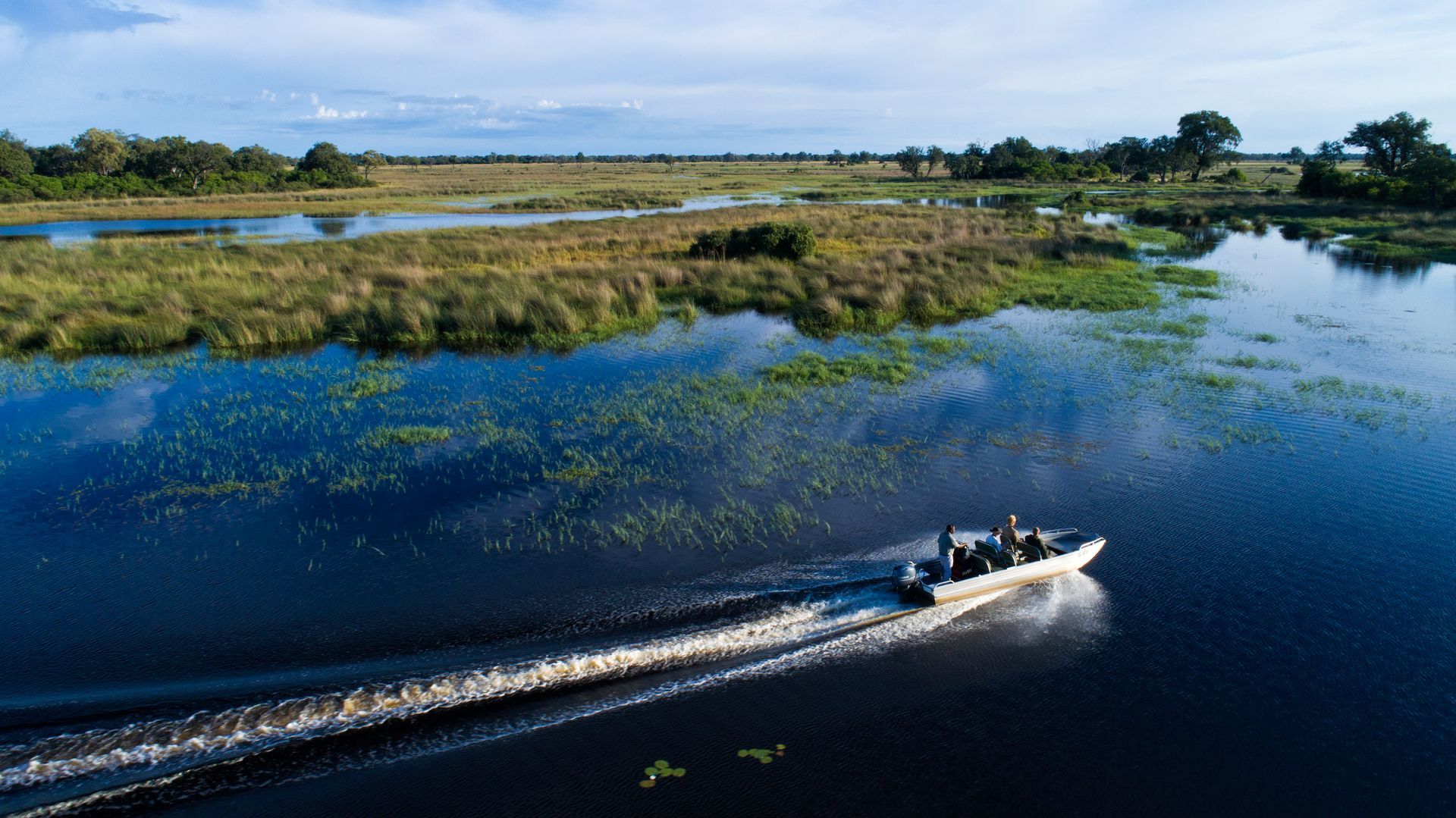
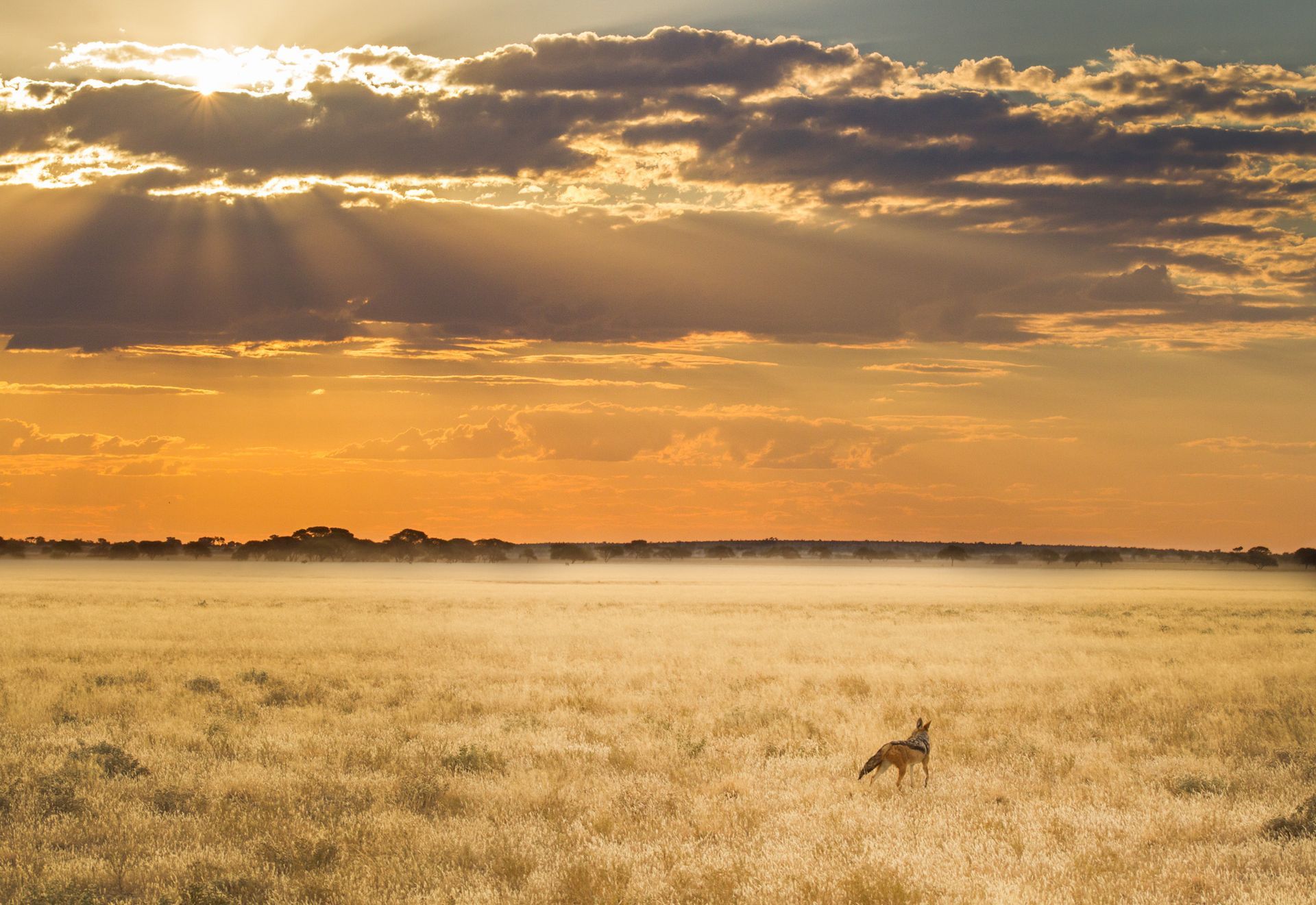
Covering just under 5,000 square kilometres along the eastern edge of the Okavango Delta, the Moremi is a landscape of extraordinary contrasts. Permanent water channels wind through dry mopane woodland. Vast open floodplains stretch towards palm-fringed islands. Lagoons shimmer under wide skies, alive with herons, fish eagles and the soft ripple of red lechwe moving through the shallows.
Only about a third of the reserve is dry land; the rest is the Okavango Delta itself, which means that the Moremi offers something genuinely rare: the full drama of both water-based and land-based safari, sometimes within the same morning.
The predator capital of Botswana
Ask any seasoned safari guide which corner of Botswana offers the most reliable predator sightings and the answer, more often than not, is the Moremi. This is a landscape shaped by abundance. The seasonal pulse of the Okavango floods the plains each year, drawing enormous herds of buffalo and elephant, giraffe browsing among the acacias and antelope of every description, from the delicate impala to the exquisite and elusive sitatunga, perfectly adapted to life among the reeds. Where prey gathers in such numbers, predators follow, and the Moremi delivers them in remarkable style.
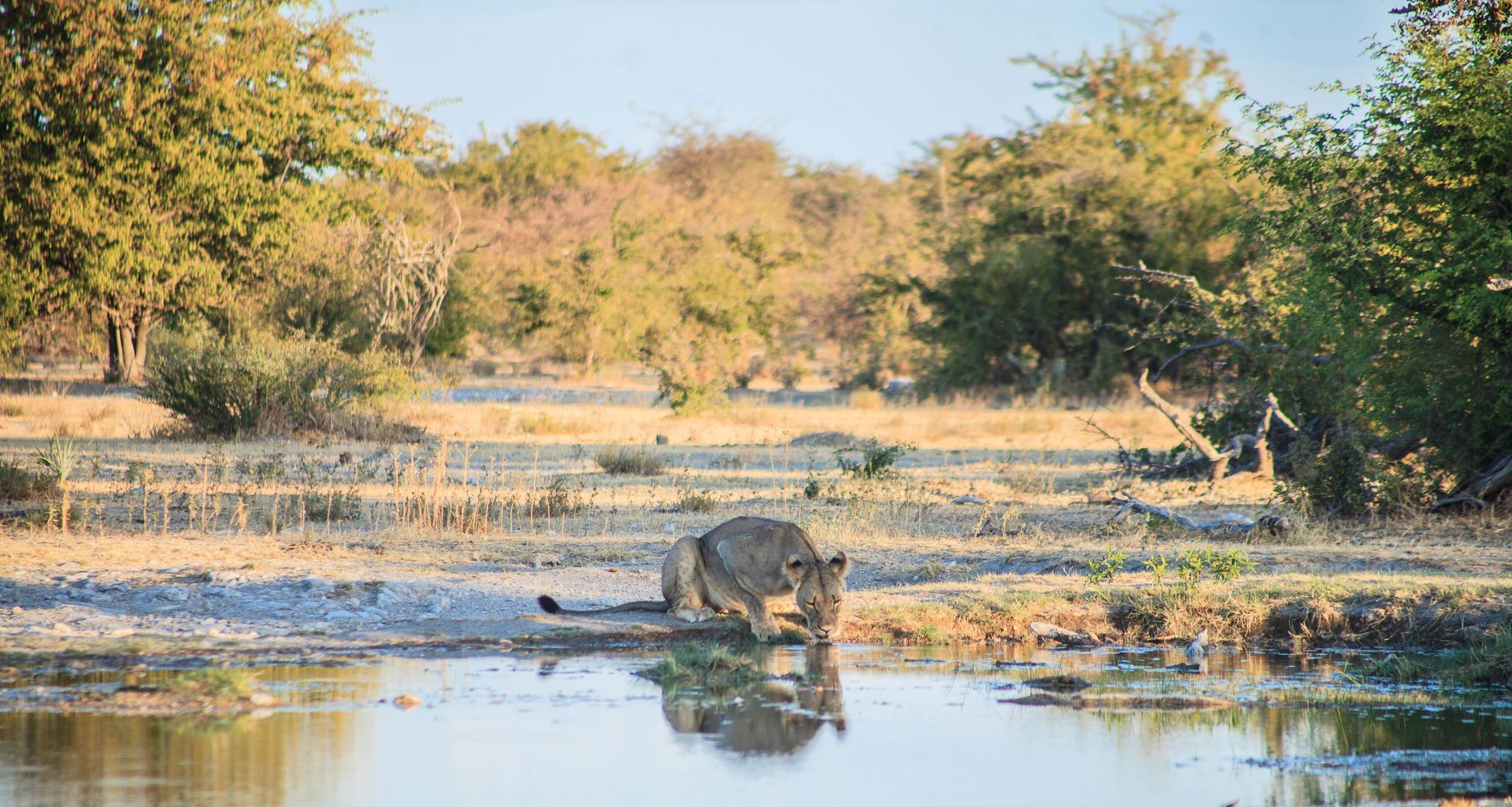
Lion prides are regularly encountered on the open plains, often seen patrolling the floodplain edges at first light or resting beneath great sycamore figs as the midday heat settles over the land. Leopards favour the riverine thickets, where dappled light and deep shade give them every advantage; sightings here are among the most consistent in Botswana. Cheetah move through the more open terrain, while spotted hyena clans hold their ground around the lagoons. And then there are the painted wolves.
African wild dogs, or painted wolves as they are increasingly and fittingly called, have long been associated with the Moremi. The reserve and its surrounding concessions form one of their most significant habitats in Southern Africa, and the resident packs have been the subject of ongoing research since 1989. Between June and September, when the dogs are denning, sightings become even more reliable as the packs return repeatedly to the same area. Watching a pack of painted wolves in co-ordinated pursuit across a Moremi floodplain is the kind of experience that stays with you, unscripted, electric and entirely unforgettable.
Enter Khwai — community, conservation and coexistence
Where the Moremi's northeastern boundary ends, the Khwai Community Concession begins, and the transition is seamless. Wildlife does not pause at the boundary line; it simply continues, flowing between the Moremi's protected core and the vast 180,000ha concession managed by the Khwai Development Trust on behalf of the local community. Once a controlled hunting area, Khwai has been transformed into a photographic tourism zone where the benefits of conservation flow directly back to the people who have lived alongside this wildlife for generations.
This matters in ways that go well beyond the admirable. When local communities become genuine stakeholders in the value of wild land, they become its most committed protectors. The Khwai model is one of the most compelling examples of conservation and coexistence working in harmony anywhere in Africa. And for the visitor, it adds a dimension of meaning to every game drive. You are not simply observing wildlife. You are part of a story about people and land, and what becomes possible when both are respected.
In terms of wildlife, Khwai more than holds its own. The Khwai River, fed by the waters of the Okavango, draws extraordinary concentrations of animals, particularly as the dry season advances and water becomes scarce elsewhere. Buffalo herds arrive in enormous numbers. Elephant are ever present along the riverbanks. Leopard sightings around Khwai are consistently outstanding, and the concession's large lion prides are well known among guides who know this landscape intimately.
Hippo and crocodile command the deeper channels, while a cast of smaller but equally fascinating characters, from genets to civets and the inquisitive honey badger, appears after dark on night drives that are permitted here precisely because Khwai sits beyond the national reserve boundary.
A landscape of many moods
One of the great pleasures of combining the Moremi and Khwai in a single itinerary is the sheer variety of experiences on offer. In Moremi, mokoro excursions glide you silently through the channels in the traditional dugout canoe of the Okavango, bringing you eye to eye with malachite kingfishers and the occasional hippo wallowing in the reeds. Game drives traverse the Mopane Tongue, where tall mopane woodland opens suddenly onto golden floodplains. Boat cruises on the Xakanaxa Lagoon bring you into the midst of extraordinary bird colonies, herons and storks and ibis nesting in close proximity above the water.
In Khwai, walking safaris take you off the vehicle and onto the earth itself, where every track and scent and sound tells a story. Night drives reveal the bush's nocturnal cast. And the Khwai River at dusk, when elephants cross in golden light and the calls of fish eagles echo across the water, is the kind of scene that photographers dream about and travellers remember for the rest of their lives.
Birdlife throughout is exceptional. The Moremi is home to nearly 500 recorded species, and the diversity of habitats means that forest specialists and water birds, raptors and tiny passerines, all share the same landscape. For dedicated birders, this is a destination of the highest order. For everyone else, it is simply a place where the air is always alive with colour and song.
When to go
The honest answer is that the Moremi and Khwai reward visitors at any time of year, though each season offers a different kind of magic. The dry season, running roughly from July to October, is widely considered the prime game viewing window. As water recedes from the broader landscape, wildlife concentrates around the permanent sources of the Okavango.
Game viewing becomes more intense, predator sightings more frequent, and the open vegetation makes spotting easier. This is also the best time to see painted wolves denning, and the period when the Khwai River becomes a focal point for truly spectacular wildlife activity.
The green season, from December through March, brings the rains and with them a transformation. The bush turns lush and vibrant. Migrant birds arrive in extraordinary numbers. Newborn animals appear in the long grass, and the landscape itself, soft and luminous in the wet season light, is a photographer's paradise. Fewer visitors choose this time, which means more space, more intimacy and, often, more of those magical moments that feel as though they exist for you alone.
The Nxai Travel way
At Nxai Travel, the Moremi and Khwai are not destinations plucked from a brochure. They are landscapes the team knows intimately, having spent years guiding guests through their channels and woodlands, learning where the wild dogs den and which lagoon the leopard favours in the early morning. That local knowledge makes a difference you will feel from the moment your itinerary comes together.
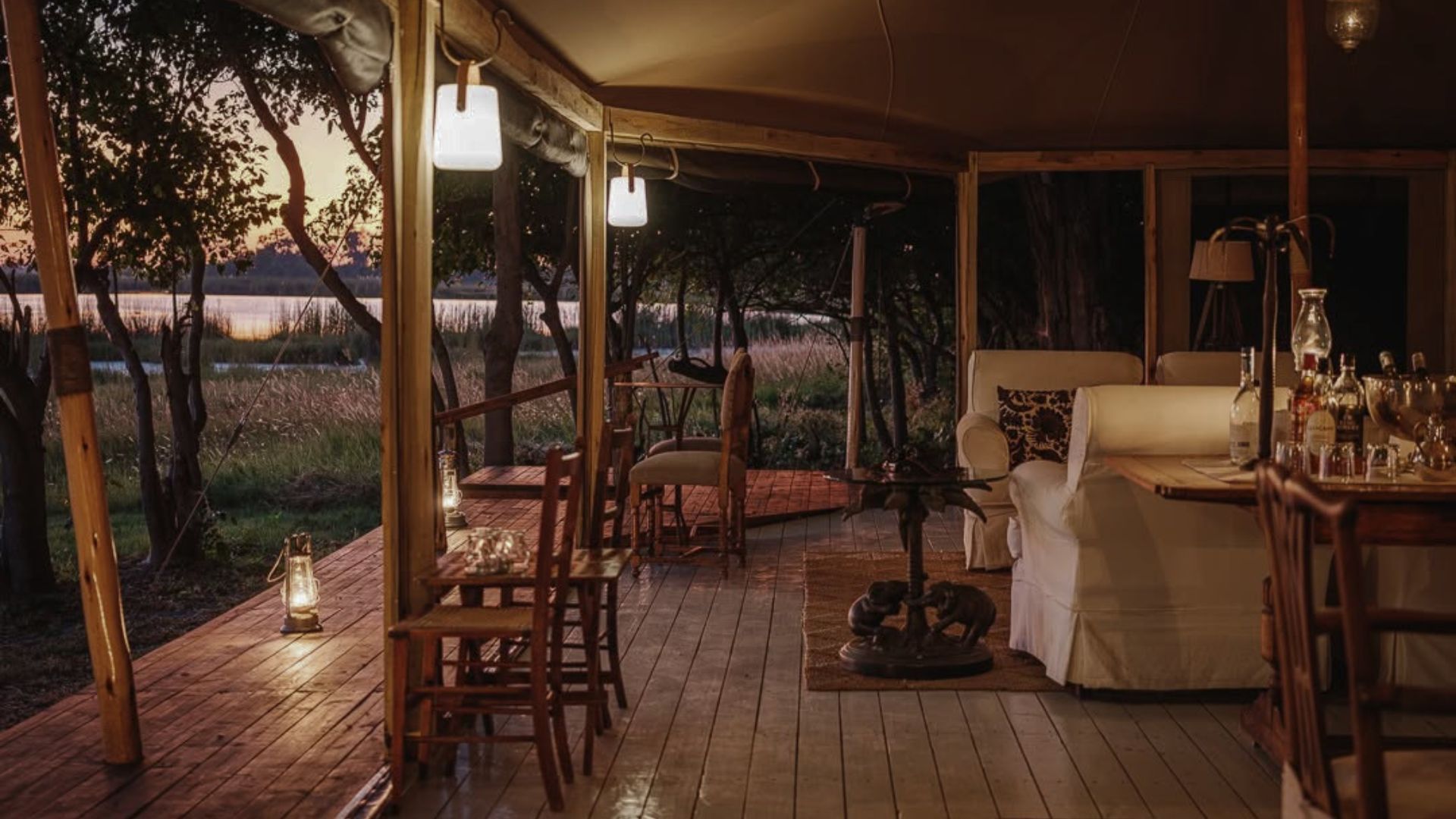
As a family-run Botswana operator, Nxai Travel builds every safari around the individual. Whether you are travelling with family, celebrating something significant, or simply answering the call of a landscape you have always wanted to see, the team crafts an experience that fits you and no one else. Accommodation options range from intimate tented camps on the Khwai River to more exclusive fly-in properties deep within the reserve, and Nxai Travel's relationships across the industry mean that the best options are always within reach.
So if the Moremi and Khwai have been sitting somewhere on your list, half-formed, half-imagined, this is your nudge. The painted wolves are out there right now, the lion prides are raising their cubs, and the Khwai River at sunset is exactly as extraordinary as you have been told. All you need to do is make the call.