
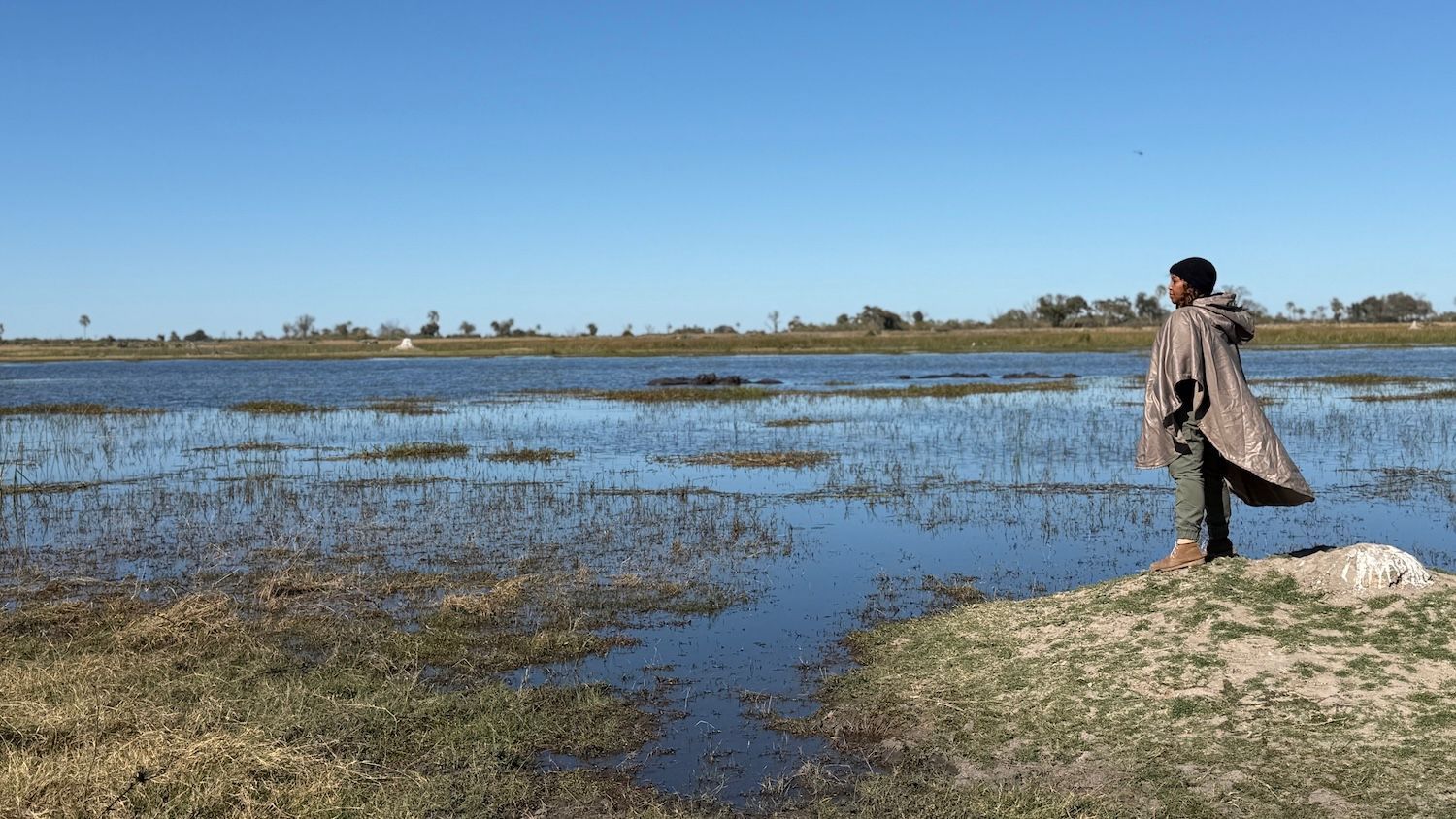
Botswana's wild frontier

The Tuli Block is a diverse and rugged wild tapestry

The Tuli Block sits quietly in Botswana’s eastern corner, bordered by South Africa and Zimbabwe, yet its sense of presence is anything but subtle. This is a landscape that feels grounded and deeply storied, shaped by rock, rivers, and the passage of both wildlife and people over thousands of years. It is rugged without being harsh, dramatic without being overwhelming, and endlessly rewarding for those who take the time to understand it.


The Tuli Block feels different the moment you arrive. There is a weight to the land here, a sense that it has been watched, walked, and worked for far longer than modern borders suggest. Wildlife routes follow ancient paths. Stone tools and ruins hint at early settlements. Even the quiet feels intentional. This is not a landscape shaped quickly or gently, but one formed over time through use, survival, and adaptation.


The topography here is a diverse and rugged tapestry of vast plains, ancient sandstone formations, rocky hills, and dense riverine forests along the Limpopo and Shashe Rivers. Mopane woodlands dominate large tracts of the landscape, their copper toned leaves shifting colour with the seasons. Ephemeral riverbeds with sandy banks cut through the plains, while iconic baobab trees punctuate the skyline. 


This combination creates a striking contrast to other wilderness areas in Botswana. Landmarks such as Solomon’s Wall, the monumental Mmamagwa’s baobab, and the distant Tswapong Hills contribute to a varied terrain with distinct microclimates and habitats, supporting an impressive abundance of wildlife.


Where rivers meet


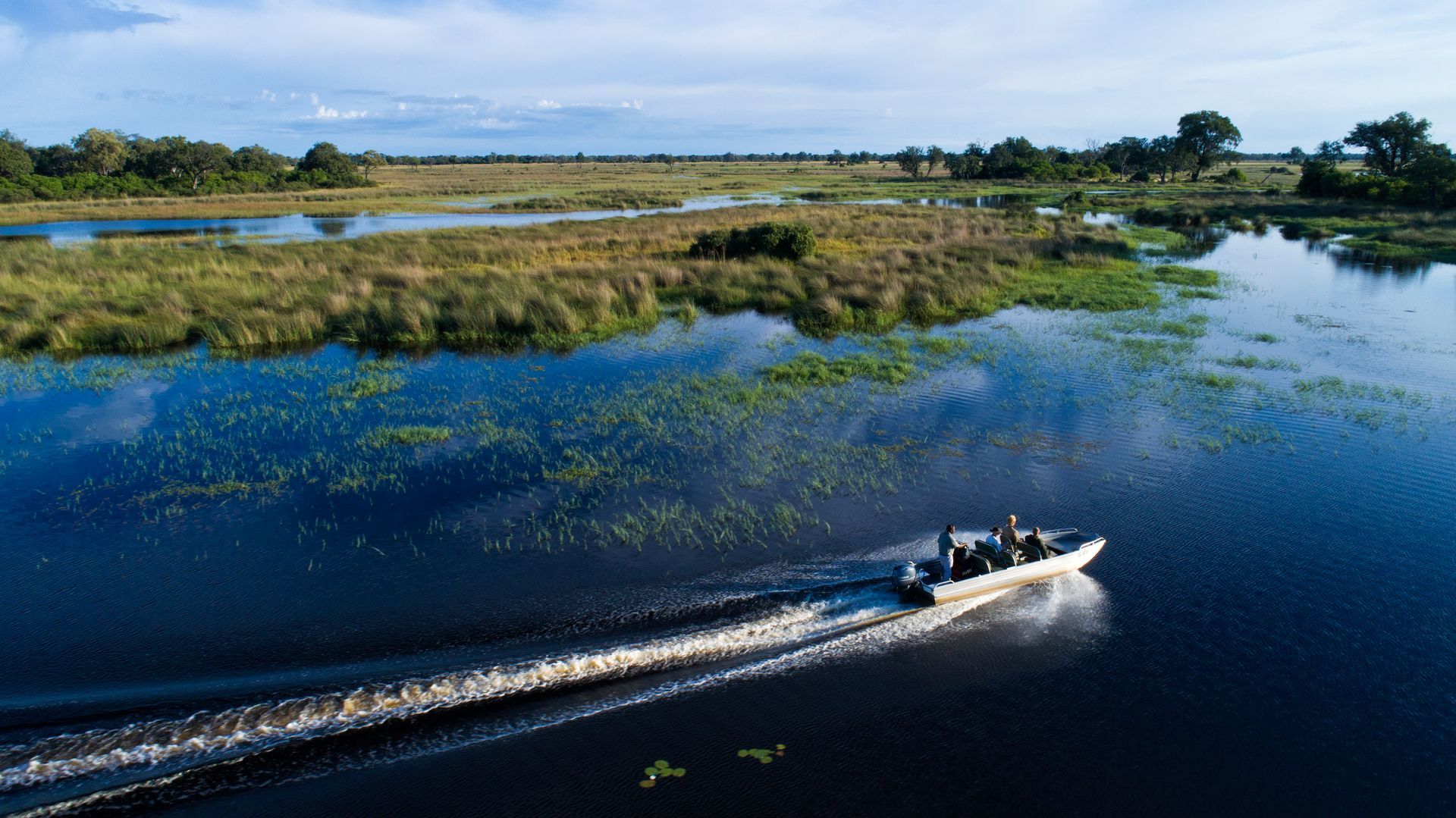
At the heart of the Tuli Block lies the confluence of the Limpopo and Shashe Rivers. On a map, this meeting point appears significant, a joining of two major southern African waterways. On the ground, it tells a more nuanced story. These rivers are seasonal, responding to rainfall far beyond Botswana’s borders. For large parts of the year, their beds lie dry or reduced to shallow pools, sandy channels winding through riverine forest.


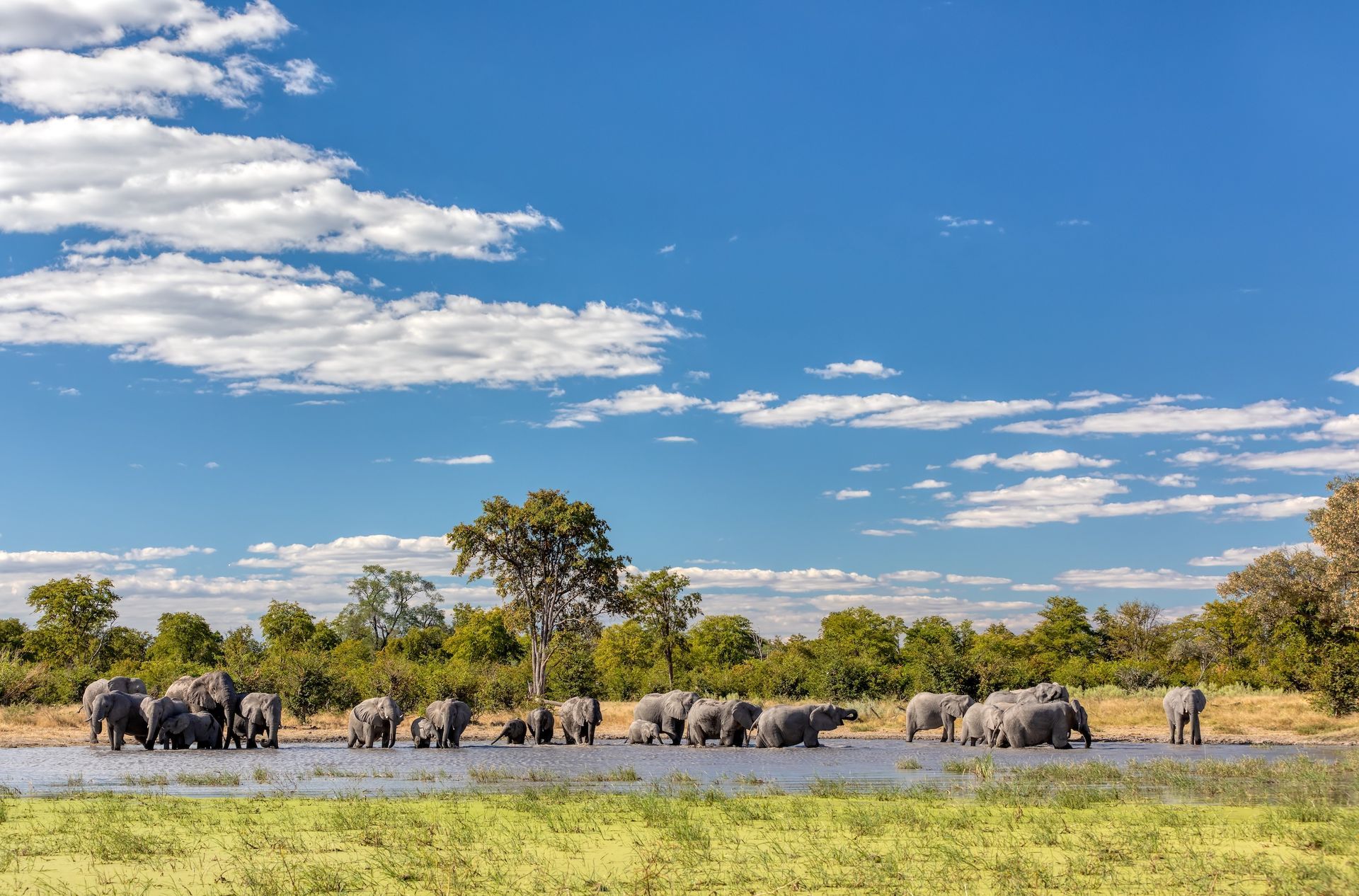
When the rains arrive upstream, everything changes. Water flows again, sometimes gently, sometimes with force, breathing life into the landscape. Trees flush green along the banks, grasses respond almost overnight, and wildlife moves purposefully toward these temporary lifelines. Elephants dig for water beneath the sand, birds gather in numbers, and predators patrol the edges, fully aware of what these rivers represent.


The seasonal nature of the Limpopo and Shashe gives the Tuli Block its rhythm. It is not a place of constant water, but one where the absence of water is just as important as its arrival. This ebb and flow shapes animal movement, vegetation patterns, and the overall character of the region.


A kingdom of stone and giants


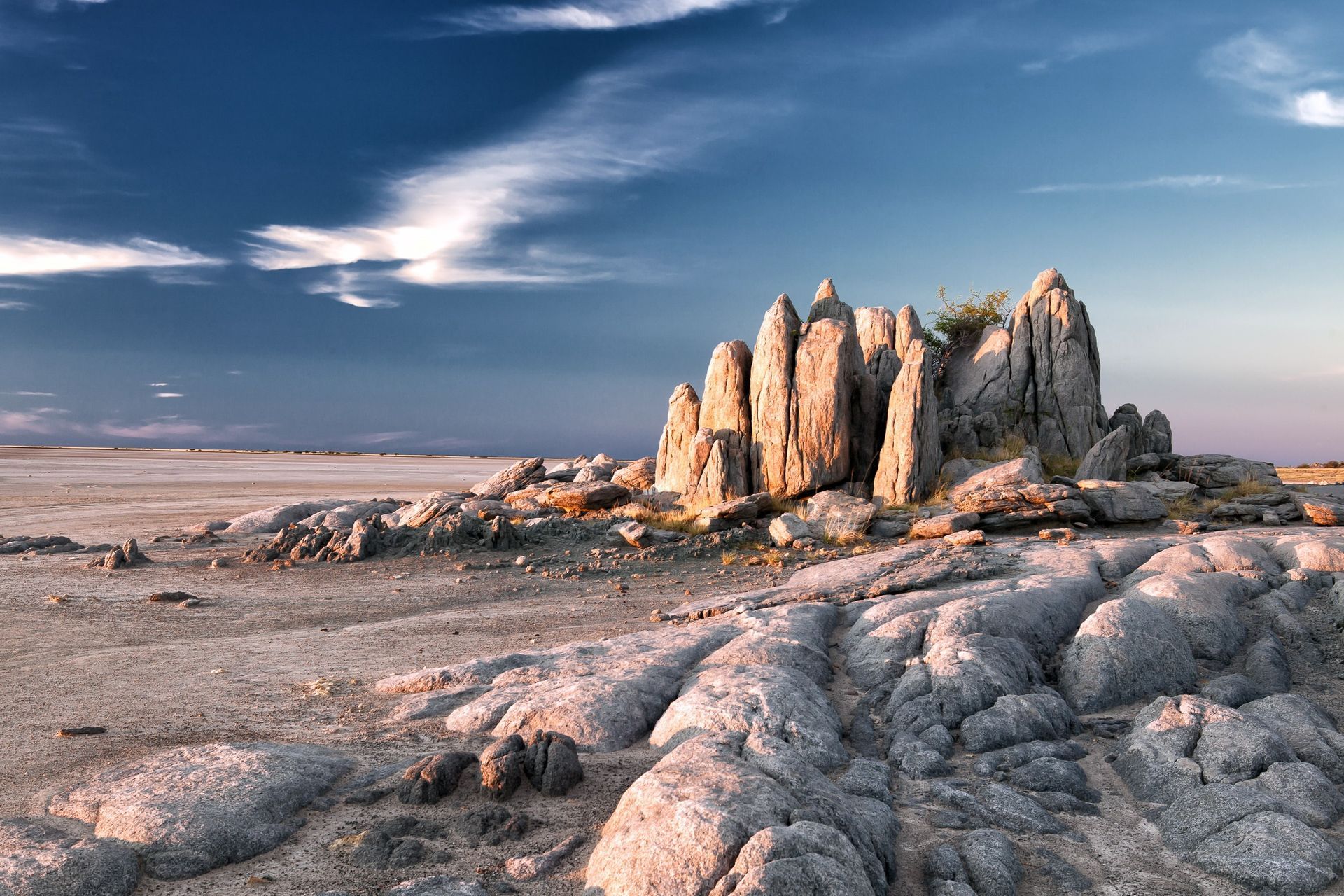
Rising above the plains and riverbanks are the sandstone formations that define the region’s visual drama. These sculpted rocks provide shade and shelter, particularly for leopards, which thrive in the broken terrain. Lions move between open areas and woodland edges, while smaller species such as klipspringers and rock hyrax make use of sheer faces and narrow ledges with effortless ease.


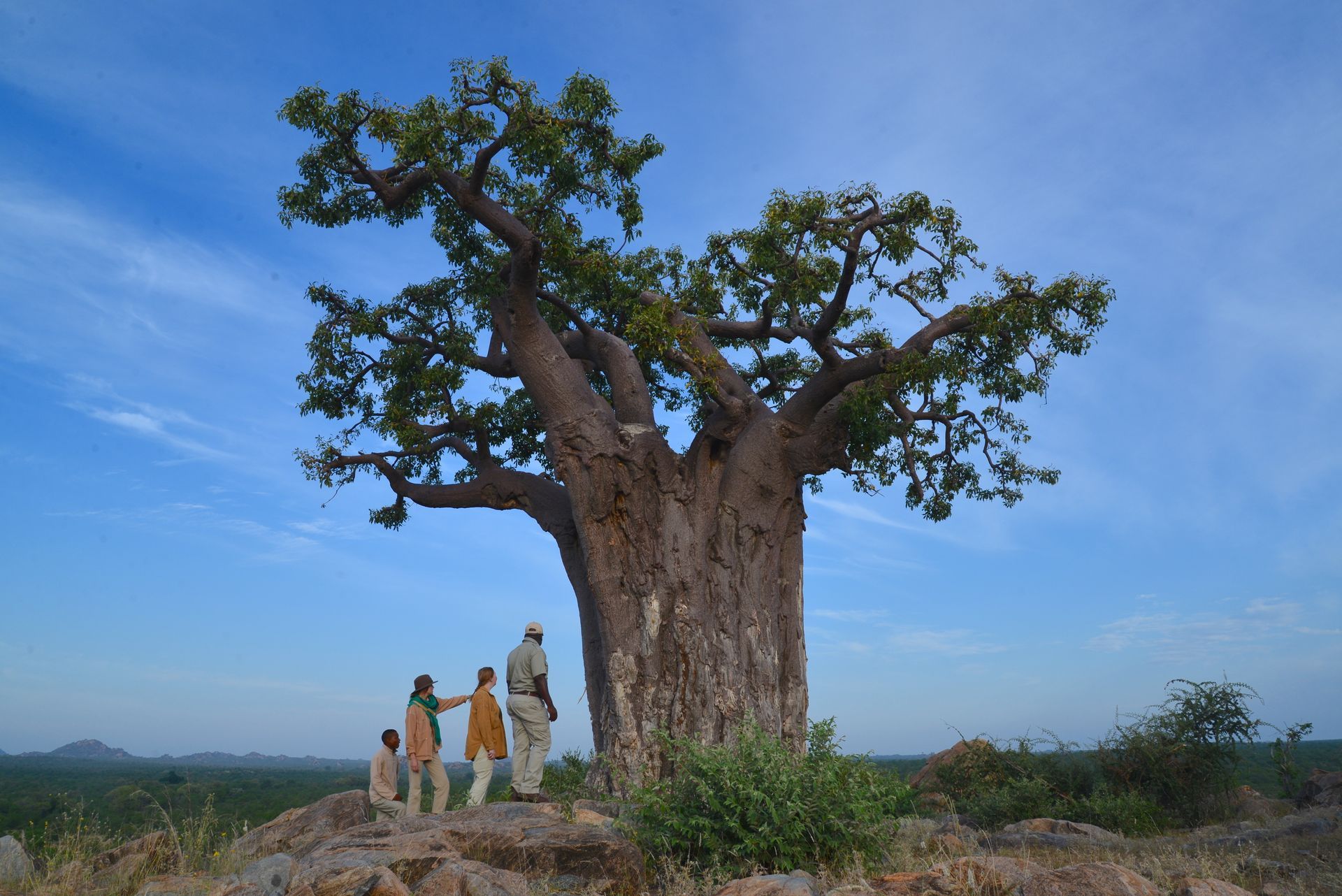
Towering among the rocks are some of Botswana’s most remarkable baobabs. These ancient trees are both ecological and cultural landmarks. Their thick trunks store water, their branches host birdlife, and their presence anchors the landscape in deep time. Many have stood here for centuries, witnessing shifts in climate, wildlife movements, and human settlement.


Wildlife shaped by terrain


The diversity of habitats found in the Tuli Block supports a rich array of wildlife. Elephants are ever present, particularly along river systems where they browse and dig for moisture. Giraffe move quietly through mopane and riverine forest, while zebra and wildebeest cross open plains in loose, shifting groups.


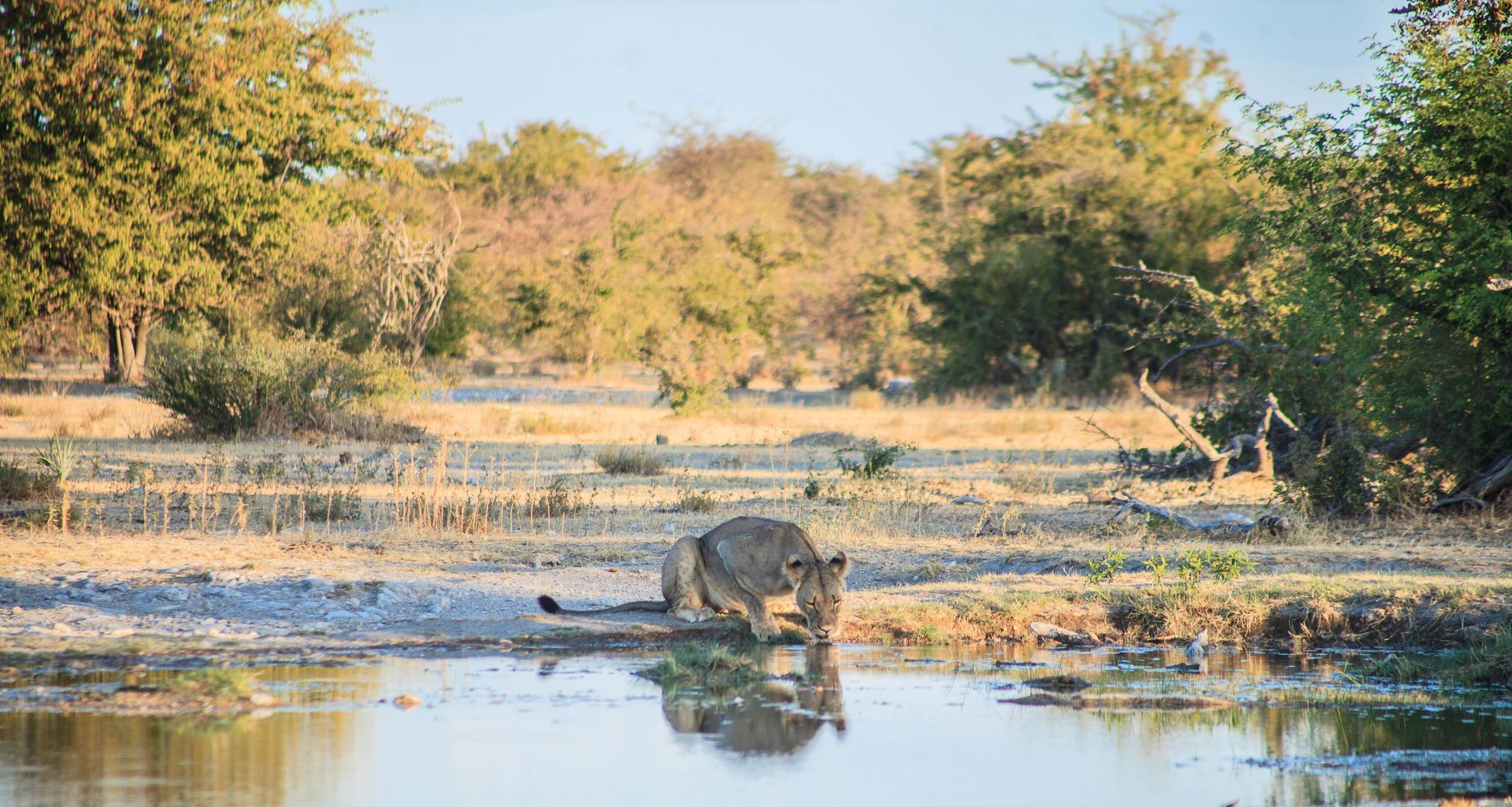
Predators are well suited to this varied terrain. Leopards use rocky outcrops and dense vegetation to their advantage, while lions rest in shaded thickets during the heat of the day before becoming active in the cooler hours. Hyenas patrol riverbeds and open ground with purpose, and smaller carnivores add energy and intrigue to every outing.

Birdlife is prolific, especially near watercourses. Fish eagles, herons, kingfishers, and bee eaters bring colour and sound to the landscape, responding quickly to seasonal changes.


How the Tuli Block got its name


The name Tuli is believed to come from the Setswana word referring to dust or soil, a fitting description for a region where earth, rock, and sand dominate the scene. It reflects a place shaped as much by what is absent as by what is present.


Archaeological evidence shows that Iron Age communities once lived along these rivers, farming, trading, and constructing stone structures whose remnants still remain. These sites speak of long standing relationships between people and land, built on deep knowledge of seasonal resources and environmental rhythms.


Authentic to the core


The Tuli Block does not rely on spectacle. Its power lies in authenticity, texture, and atmosphere. It rewards curiosity and patience, revealing itself slowly through detail and experience.


This is a place where ancient trees stand beside dry riverbeds, where wildlife moves with quiet purpose, and where the land carries stories that stretch far beyond the present moment. 


For those seeking a different side of Botswana, one that feels raw, layered, and deeply rooted, the Tuli Block remains one of its most compelling wild frontiers. Talk to us about including this incredible destination in your next Botswana safari.


December 4, 2025
The Okavango Delta is unlike any other wilderness in Africa. A vast tangle of reed-lined waterways, wooded islands and shimmering channels stretches as far as the eye can see, alive with life and movement.
November 29, 2025
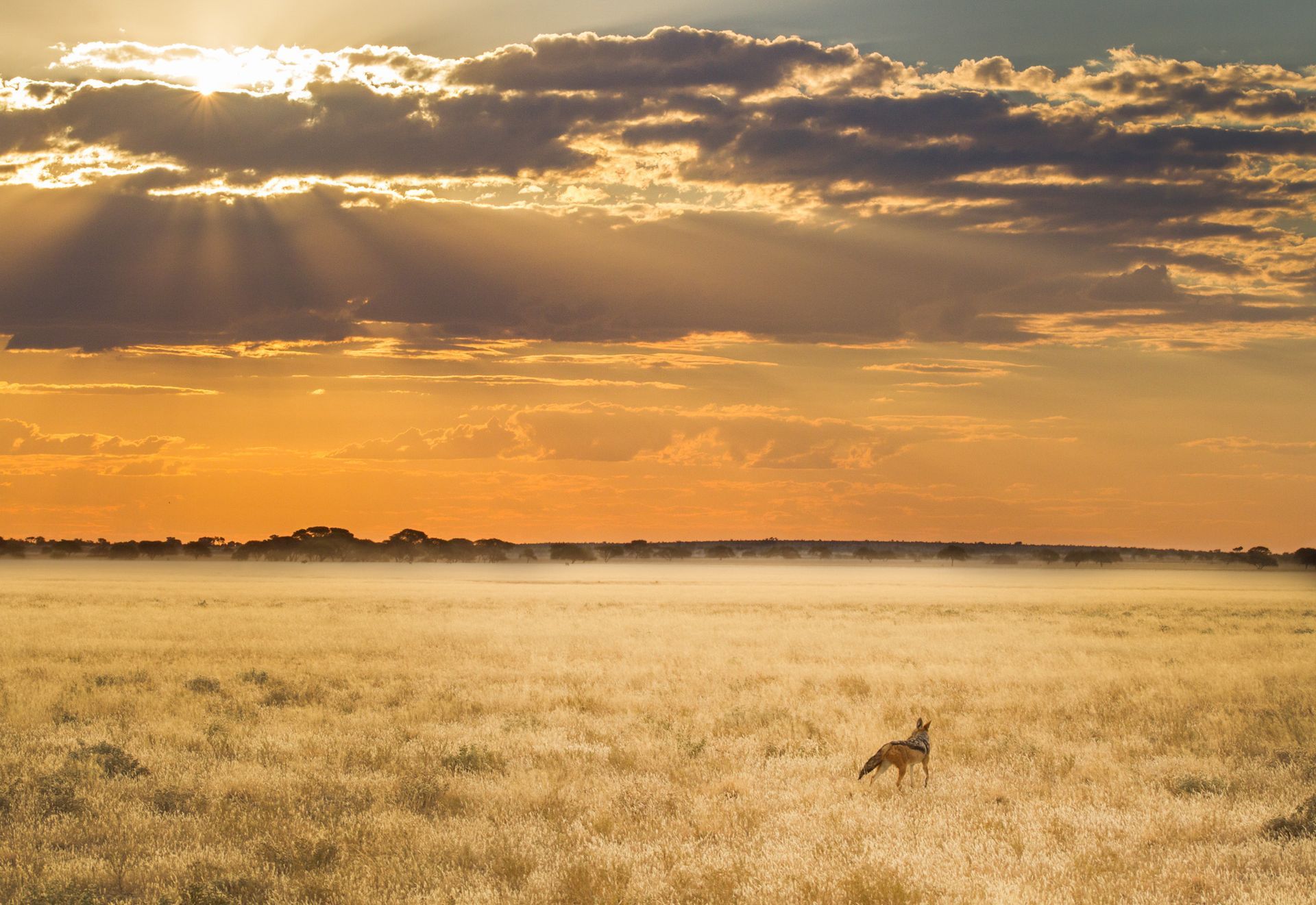
Vast, silent and hauntingly beautiful, the Central Kalahari Game Reserve lies at the heart of Botswana’s wild soul. It’s a land of endless horizons and shifting light, where silence has texture and time slows to the rhythm of nature itself.
October 21, 2025
If Botswana had a place that felt like another planet entirely, it would be the Makgadikgadi. Imagine standing in the middle of an ancient lake so vast that the horizon melts into the sky, with nothing but the whisper of wind and the crunch of salt beneath your boots.
September 11, 2025
There is something magical about a safari in Botswana. Unlike many destinations where timing can make or break a trip, in Botswana every month has its own treasures waiting to be uncovered. From the arid plains of the Kalahari to the watery labyrinth of the Okavango Delta.
August 20, 2025
There is something magical about a safari in Botswana during the green season. From November through March, the land transforms from the dusty browns of the dry months into a lush, thriving landscape where wildlife and flora flourish.